
As a homeowner, you’ll encounter roofing materials like affordable asphalt shingles or durable metal. Understanding roof trusses and ventilation systems is essential for your home’s stability and lifespan. Regular inspections and maintenance of gutters and flashing can prevent costly issues. When hiring a roofer, look for proper qualifications and warranties – this will guarantee your roof performs at its best. Dive deeper to learn more about your home’s most important shield.
Key Takeaways
- Common roofing materials include asphalt shingles, metal roofing, and their respective pros and cons for informed decision-making.
- Roof trusses are engineered frameworks that distribute roof weight evenly, ensuring structural stability and longevity.
- Proper installation and maintenance of gutters, downspouts, and ventilation systems are crucial for efficient water drainage and moisture control.
- Regular roof inspections and prompt issue resolution are essential for extending the lifespan of a roof.
- Hiring qualified and certified roofing contractors with proper licenses and warranties is recommended for quality workmanship and reliable service.
Common Roofing Materials

When it comes to choosing roofing materials, you’ll find a variety of options, each with its own unique characteristics and benefits.
Asphalt shingles are a popular choice, offering affordability, durability, and a wide range of color options to complement your home’s style.
Metal roofing, on the other hand, is known for its long lifespan, fire resistance, and energy efficiency, making it an attractive option for homeowners seeking a low-maintenance roofing solution.
Whether you prefer the classic look of asphalt or the modern appeal of metal, understanding the pros and cons of each material can help you make an informed decision that meets your needs and budget.
Roof Structural Components
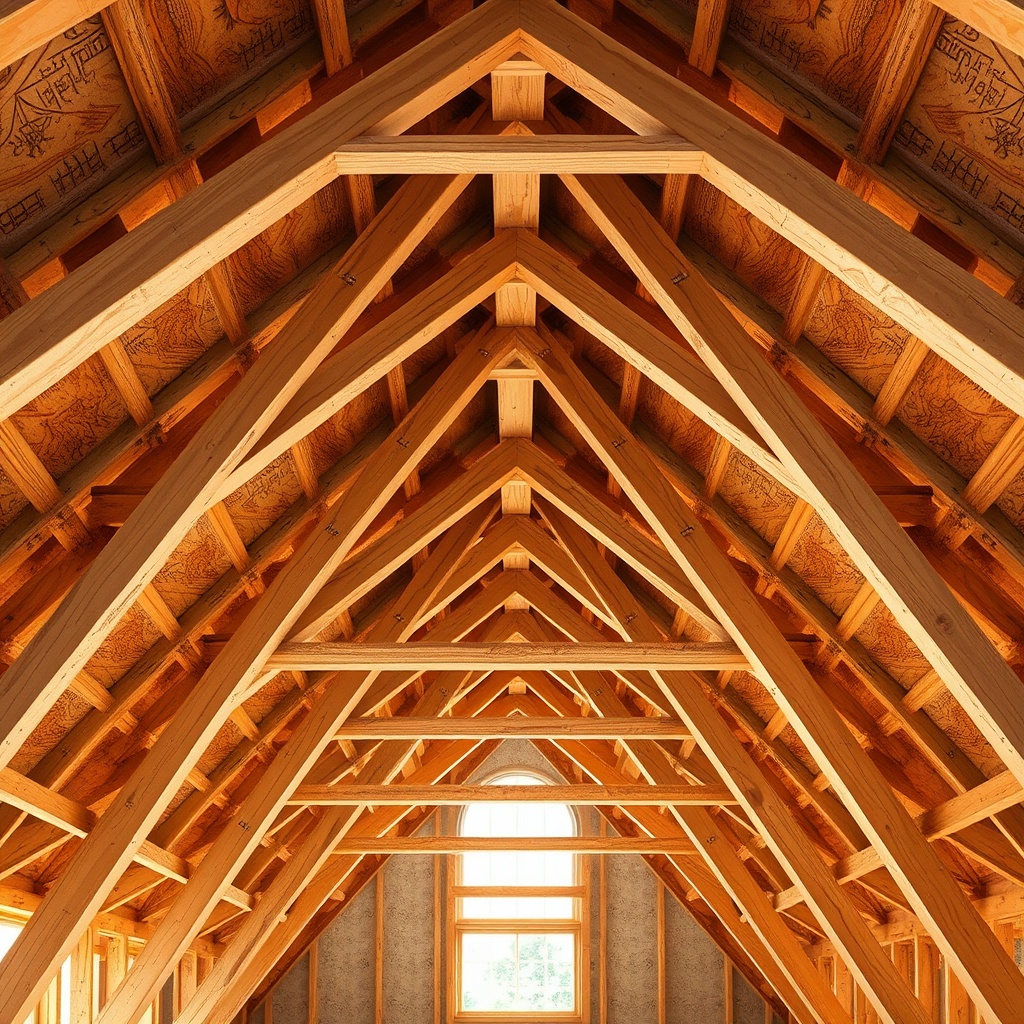
The roof’s structural components are the foundation that supports the entire system. The trusses, which are engineered frameworks, play a vital role in this. Their design distributes the weight of the roof evenly, ensuring stability and longevity.
The trusses typically consist of a series of triangular units that form a lattice, with the horizontal bottom chords bearing the load of the roofing materials. This truss design maximizes load distribution, transferring the weight to the exterior walls or columns below.
Understanding the importance of these structural elements is key for homeowners, as they can impact the roof’s performance and the overall safety of the home. Proper maintenance and periodic inspections of the roof’s structural components can help prevent costly issues down the line.
Roofing Accessories and Installations
Gutters and downspouts are essential roofing accessories that channel rainwater away from your home’s foundation.
Roof ventilation systems, like ridge vents and soffit vents, help regulate temperature and humidity, preventing moisture buildup and extending your roof’s lifespan.
Understanding these essential components can help you maintain your home’s roof and protect your investment.
Gutters and Downspouts
Properly functioning gutters and downspouts are vital components of your home’s roofing system, diverting rainwater away from your foundation and protecting your siding, landscaping, and basement from water damage.
Gutters collect rainwater from your roof, while downspouts carry it safely away from your home’s perimeter. Guarantee proper gutter installation to maintain efficient water drainage.
Regularly inspect and clean your gutters and downspouts, removing leaves, twigs, and other debris that can clog the system and cause water backups. Consider installing gutter guards to minimize maintenance.
Prompt downspout maintenance, such as repairing cracks or disconnections, is essential for preserving your home’s structural integrity.
Roof Ventilation Systems
Effective roof ventilation systems are essential for maintaining a healthy, energy-efficient home. Ridge vents, installed at the peak of your roof, allow hot air to escape, while soffit vents beneath the eaves draw in cool, fresh air.
This natural airflow helps regulate your home’s temperature, reducing strain on your HVAC system and energy costs. Proper ventilation also prevents moisture buildup, which can lead to mold, mildew, and structural damage.
When choosing a ventilation system, consider factors like your roof’s slope, climate, and attic insulation. Consult a professional roofer to guarantee your ventilation meets building codes and maximizes efficiency.
Investing in a well-designed roof ventilation system pays dividends in comfort, energy savings, and home longevity.
Roof Maintenance and Inspection
Regular roof inspections are essential to identify and address any issues before they escalate.
Preventative maintenance, like clearing debris and addressing minor repairs, can extend your roof’s lifespan considerably.
Take the time to inspect your roof regularly and tackle small problems promptly to avoid costly replacements down the line.
Regular Roof Inspections
Conducting routine roof inspections is essential for maintaining the longevity and integrity of your home’s roof. Aim to inspect your roof at least twice a year, in the spring and fall, to identify any issues early on. Use this handy checklist to guide your inspection:
| Inspection Item | Condition |
| Shingles | Cracked, curling, or missing? |
| Flashing | Secure and watertight? |
| Gutters | Clear of debris? |
| Ventilation | Adequate and functioning? |
Addressing problems promptly can prevent costly repairs down the line. Regular inspections help you stay on top of roof maintenance and guarantee your home remains protected from the elements.
Preventative Maintenance Tips
Maintaining your roof doesn’t end with inspections. Consistent preventative maintenance is key to extending its lifespan.
Start by creating seasonal inspection checklists. Check for loose, cracked, or missing shingles after major storms. Ascertain gutters and downspouts are clear of debris, allowing water to flow freely.
Trim overhanging trees and remove leaves, branches, and moss buildup. Inspect for signs of water damage or mold growth. Seal any cracks or holes with a high-quality roofing sealant.
Consider a professional roof cleaning every few years to remove accumulated grime. By staying proactive, you’ll catch minor issues before they escalate, saving time and money in the long run.
Roof Performance and Efficiency
When it comes to your home’s roof, understanding its performance and efficiency is essential. After all, your roof plays a vital role in your home’s overall energy efficiency and thermal insulation.
A well-performing roof can greatly impact your heating and cooling costs, helping you save money on utility bills.
Look for a roof that’s designed to optimize energy efficiency, like those with reflective coatings or insulation layers. These features can enhance your home’s thermal comfort and reduce your environmental footprint.
Additionally, consider the roof’s ventilation system, as proper airflow can further enhance efficiency. By understanding your roof’s performance and efficiency, you’ll be better equipped to make informed decisions about its maintenance and potential upgrades.
Roofing Contractors and Industry Standards
How do you find a reputable roofing contractor who adheres to industry standards?
Look for contractors with proper qualifications and certifications. Qualified roofers should have licenses, insurance, and relevant industry certifications, such as those from the National Roofing Contractors Association (NRCA) or local roofing councils. These credentials demonstrate their expertise and commitment to quality workmanship.
Additionally, a reputable contractor will provide a detailed contract, warranty information, and references from satisfied customers.
Frequently Asked Questions
How Often Should I Replace My Roof?
The frequency of your roof replacement depends on the roofing material’s lifespan. Asphalt shingles typically last 15-30 years, while metal and tile roofs can last 40-70 years. It’s best to have a professional inspect your roof periodically to assess its condition.
What Is the Average Cost of a New Roof?
The average cost of a new roof depends on the roofing materials you choose and the size of your home, but you can expect to pay between $10,000 to $30,000 for a full roof installation.
How Can I Extend the Lifespan of My Roof?
To extend your roof’s lifespan, regularly maintain it by clearing debris, inspecting for damage, and addressing issues promptly. Proper weather protection through quality materials and installation will also help your roof withstand the elements and last longer.
What Are the Signs of a Leaky Roof?
Signs of a leaky roof include water stains on ceilings or walls, mold growth, and damp spots. To detect leaks early, conduct regular roof inspections and address any water damage promptly to extend your roof’s lifespan.
How Do I Choose a Reputable Roofing Contractor?
To choose a reputable roofing contractor, ask about their credentials and roofing warranties. Check their references, get multiple quotes, and guarantee they’re licensed and insured. This’ll help you find a reliable contractor who’ll provide quality work and protection.
Final Thoughts
Understanding key roofing terms empowers you to make informed decisions about materials, structural components, ventilation, and long-term maintenance. The more familiar you are with shingles, flashing, trusses, gutters, and ventilation systems, the easier it is to spot problems early and communicate clearly with contractors. Pairing this knowledge with regular roof inspections and timely upkeep strengthens your home’s protection, improves energy efficiency, and helps you plan confidently for repairs or upgrades.
Ready to put your roofing knowledge into action? Whether you need a professional assessment, targeted repairs, or a full roof replacement, Troy Roofing Pros is here to help. Explore our full services for residential and commercial needs, or connect with us through our contact page to schedule your inspection. Call (248) 587-8250 or email admin@roofingtroy.com today.