
As a Troy homeowner, conducting regular roof inspections, maintaining gutters, repairing flashing, addressing leaks promptly, and managing landscape are essential for protecting your home. Replacing worn shingles, investing in professional cleaning, and exploring energy-efficient roofing options can also extend your roof’s lifespan. By developing a proactive maintenance schedule, you’ll keep your home in top shape and uncover additional ways to safeguard your largest investment.
Key Takeaways
- Conduct regular roof inspections twice a year to identify and address any issues before they escalate.
- Maintain gutters and flashing to prevent water damage and leaks, ensuring a watertight barrier.
- Promptly repair roof leaks using high-quality sealants to protect the home’s interior.
- Manage the landscape and ensure proper attic ventilation to promote a healthy, well-ventilated roof.
- Document all maintenance activities to create a historical record and demonstrate diligence in preserving home value.
Conduct Regular Roof Inspections
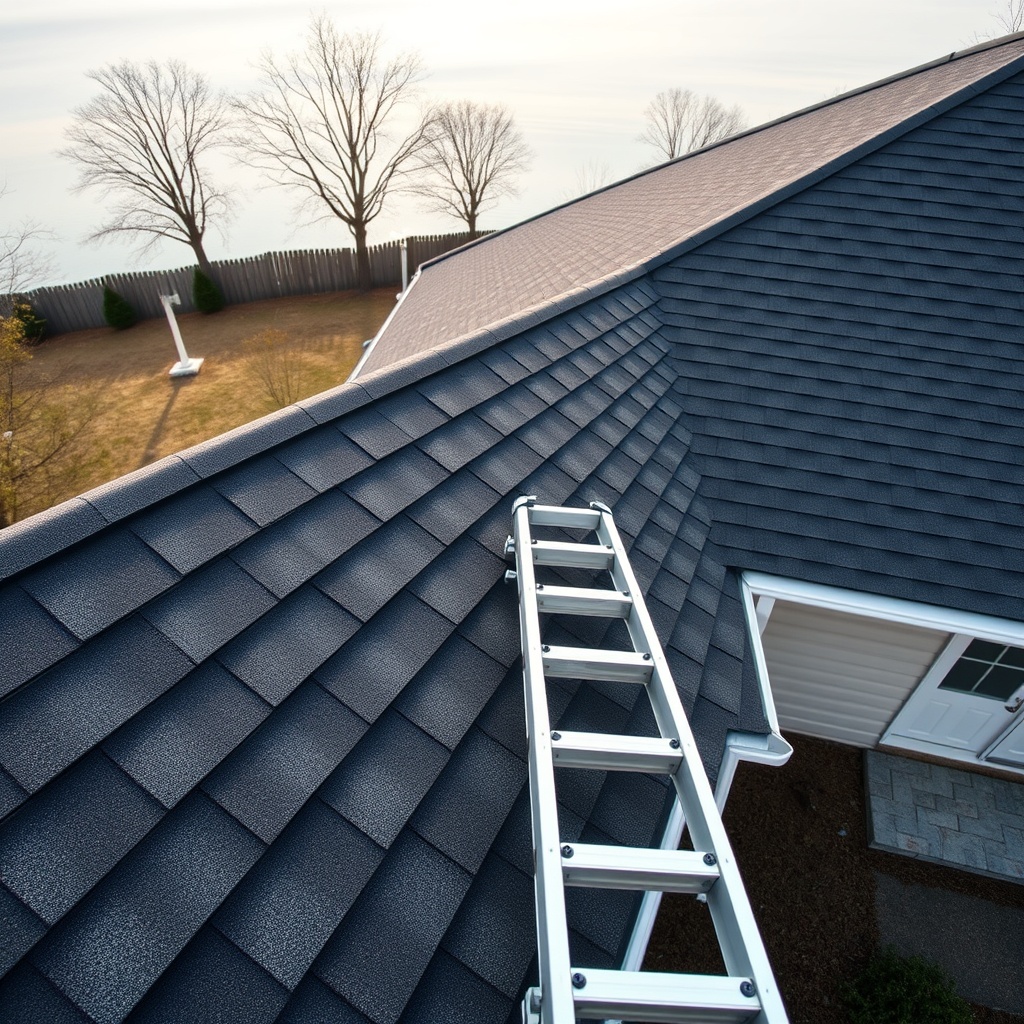
Conducting regular roof inspections is essential to maintaining the longevity and integrity of your home’s roofing system.
Utilize a thorough roof inspection checklist to thoroughly examine your roof for any signs of damage or wear. This should be done at least twice a year – once in the spring and again in the fall.
A thorough roof inspection twice a year can catch damage early and extend the lifespan of your roofing.
During these seasonal inspections, carefully inspect the roof’s surface, flashing, gutters, and ventilation systems for issues like missing shingles, clogged drains, or deteriorating sealants.
Addressing problems promptly can prevent minor issues from escalating into major, costly repairs.
Consistent, proactive roof maintenance will help extend the lifespan of your roofing and safeguard your home from the elements.
Clear Debris and Maintain Gutters
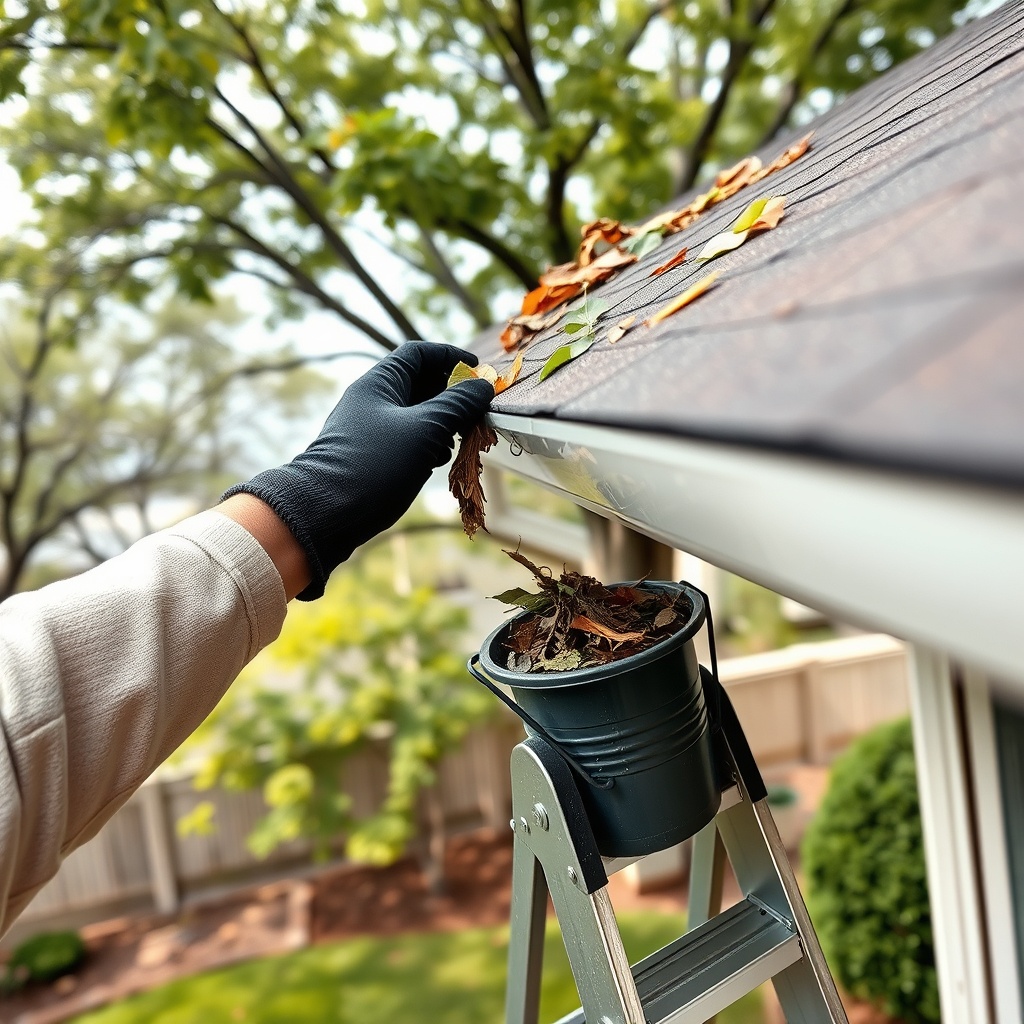
Routinely clearing debris and maintaining your gutters are essential for preserving your roof. Clogged gutters can lead to water damage, roof leaks, and even foundation issues.
Verify you regularly clean your gutters, removing leaves, twigs, and other accumulated debris. This will allow water to flow freely away from your home, preventing water buildup and potential damage.
Additionally, inspect your gutters for any cracks, holes, or loose connections, and make necessary repairs promptly. Neglecting gutter maintenance can result in costly roof and home repairs down the line.
Dedicating a few hours every few months to gutter cleaning and debris removal is a small investment that can save you a significant amount of time and money in the long run.
Inspect and Repair Flashing
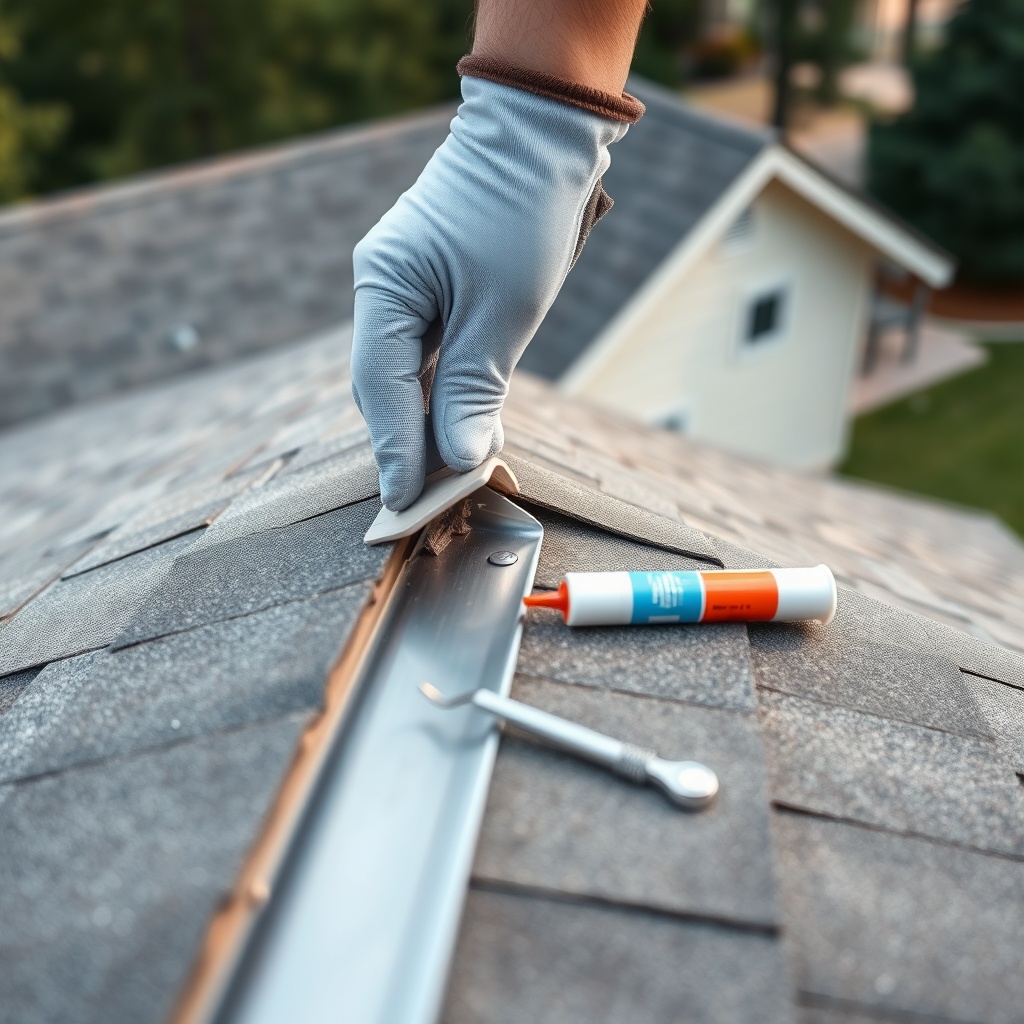
Inspect your roof’s flashing to guarantee it’s in good condition.
Reseal any loose or damaged flashing to prevent leaks and water damage.
Properly maintaining your flashing is essential for keeping your roof watertight.
Check Flashing Condition
As a homeowner, regularly inspecting the condition of your roof’s flashing is essential for maintaining the structural integrity of your home.
Check the flashing around chimneys, vents, and skylights for cracks, rust, or loose fittings. Verify the flashing materials are properly installed and sealed to prevent water leaks.
Look for signs of deterioration, like crumbling caulk or gaps, and address any issues promptly. Addressing flashing problems early can save you from costly roof repairs down the line.
Reseal Flashing Properly
After identifying any issues with your roof’s flashing, it’s time to reseal them properly. Proper sealing is essential to prevent water leaks and damage to your home.
Use high-quality flashing materials, such as aluminum or galvanized steel, and verify they’re securely attached to the roof. Apply a generous amount of a flexible, weatherproof sealant, like silicone or polyurethane, along the edges of the flashing. Smooth it out with a putty knife to create a tight seal.
Allow the sealant to fully cure before inspecting your work. Regularly check the flashing and reseal as needed to maintain a watertight barrier and protect your roof’s integrity.
Address Roof Leaks Promptly
Detecting roof leaks early is essential to preventing extensive damage. Inspect your roof regularly, looking for signs of leaks like water stains, mold, or sagging.
Once identified, address the leak sources promptly. Use a high-quality sealant to patch any cracks or gaps in the roofing material, flashing, or around vents and chimneys.
Verify proper sealant application by cleaning the area first and following the manufacturer’s instructions. Ignoring leaks can lead to rotting wood, mold growth, and costly repairs down the line.
Act quickly to protect your home and avoid bigger problems. Regular roof maintenance, including addressing leaks, will help extend its lifespan and maintain your property’s value.
Trim Overhanging Trees and Vegetation
Trimming overhanging trees and vegetation is essential to prevent debris accumulation on your roof.
Clearing away these obstructions improves air circulation, reducing the risk of moisture buildup and potential roof damage.
Take proactive steps to maintain a well-trimmed landscape around your home.
Prevent Debris Accumulation
Overhanging trees and vegetation can pose a serious threat to the longevity and integrity of your roof.
Debris like leaves, branches, and twigs can accumulate, leading to clogged gutters and downspouts, which can cause water damage and roof deterioration. Regular debris removal is essential for protecting your roof.
Trim any overhanging branches and vegetation to prevent them from dropping debris onto your roof. This simple maintenance task can go a long way in preserving the condition of your roof and preventing costly repairs down the line.
Stay vigilant, and make debris removal a part of your regular roof maintenance routine to keep your home safe and secure.
Improve Air Circulation
One of the most effective ways to improve air circulation around your roof is to trim any overhanging trees or vegetation.
Properly managing the plants and trees near your home can optimize airflow and enhance the performance of your ventilation systems. Trimming back branches and foliage prevents them from obstructing airflow and trapping debris on your roof.
This, in turn, helps to maintain proper ventilation, which is essential for extending the lifespan of your roofing materials and preventing issues like moisture buildup or ice dams.
Regularly evaluating and managing the vegetation surrounding your home is a simple yet impactful step in maintaining a healthy, well-ventilated roof.
Ensure Proper Attic Ventilation
Proper attic ventilation is essential for maintaining the health and longevity of your roof. Adequate airflow dynamics in your attic can prevent moisture buildup, which can lead to mold, mildew, and even structural damage.
To guarantee proper ventilation, assess your attic insulation and consider adding additional vents or fans if needed. Proper attic insulation helps regulate temperature and humidity, but it’s equally important to have a balanced system that allows air to circulate freely.
Monitor and Replace Shingles
Although shingles are designed to withstand the elements, they can deteriorate over time. Monitor your shingles regularly for signs of wear, such as curling, cracking, or missing granules.
The lifespan of your shingles depends on the type you have – asphalt shingles typically last 15-30 years, while metal or tile can last 40-70 years. If you notice significant damage, it’s time to contemplate replacing them.
When selecting new shingles, choose a high-quality product that’s suitable for your climate and roof type. Proper installation is vital, so think about hiring a professional roofer to guarantee your new shingles are securely in place and provide maximum protection for your home.
Invest in Professional Roof Cleaning
While regular monitoring and replacement of damaged shingles are essential, professional roof cleaning shouldn’t be overlooked.
Investing in professional roof cleaning services provides numerous benefits for homeowners. This thorough process removes accumulated dirt, debris, and algae growth, restoring your roof’s appearance and protecting it from further damage.
Professional roof cleaning services restore your roof’s appearance and protect it from further damage by removing accumulated dirt, debris, and algae growth.
Professional cleaners have the right equipment and expertise to safely and effectively clean your roof, preventing issues like premature aging, leaks, and moss buildup.
By incorporating professional roof cleaning into your maintenance routine, you’ll extend the lifespan of your roof and maintain its aesthetic appeal.
Don’t let your roof fall into disrepair – invest in professional cleaning services to keep it looking its best.
Evaluate Energy-Efficient Roofing Options
Have you considered evaluating energy-efficient roofing options? Upgrading to green roofing or solar shingles can considerably improve your home’s energy efficiency and reduce your utility bills. Consider the following factors when exploring these options:
| Feature | Benefit |
| Insulation | Keeps your home cooler in the summer and warmer in the winter, reducing energy usage. |
| Durability | Green roofing and solar shingles are built to withstand the elements, often lasting longer than traditional roofing materials. |
| Renewable Energy | Solar shingles generate clean, renewable energy, helping you reduce your carbon footprint. |
| Aesthetic Appeal | These modern roofing options come in a variety of styles, allowing you to enhance your home’s curb appeal. |
| Long-Term Savings | The upfront cost may be higher, but the energy savings and increased home value can pay off over time. |
Develop a Proactive Maintenance Schedule
Develop a proactive maintenance schedule for your roof.
Schedule seasonal inspections to catch any issues early.
Document your maintenance activities and create repair priorities to guarantee your roof stays in top shape.
Schedule Seasonal Inspections
Regular inspections of your roof are essential for maintaining its integrity and longevity. Scheduling seasonal inspections, both in the spring and fall, allows you to identify and address any potential issues before they escalate.
These inspections provide numerous benefits, such as catching small problems early, preventing costly repairs, and ensuring your roof is ready to withstand the changing weather conditions.
When conducting your roof inspections, use a detailed checklist to thoroughly examine the shingles, flashing, gutters, and other critical components.
Look for signs of wear, damage, or debris buildup. Documenting your findings will help you track the condition of your roof over time and plan for necessary maintenance or repairs.
Document Maintenance Activities
After conducting your roof inspections, document the maintenance activities you’ve carried out.
Create a maintenance checklist to track your progress and guarantee you don’t miss any critical tasks. Record details like the date, the specific repairs made, and any materials used.
This documentation will help you stay organized and provide a historical record of your roof’s condition. It can also be useful if you need to file an insurance claim or provide information to a potential buyer.
Regularly updating your maintenance records demonstrates your diligence in preserving your home’s value. Documenting repairs and following a proactive maintenance schedule will pay dividends in the long run.
Create Repair Priorities
When creating your repair priorities, consider the urgency and potential impact of each issue. Assess damage levels to determine which problems require immediate attention. Leaks, structural damage, and safety hazards should top your list. Address these swiftly to prevent further deterioration and protect your home.
Next, consider less severe but still important concerns, such as missing shingles or damaged flashing. Develop a proactive maintenance schedule to tackle these on a regular basis. This approach helps you stay ahead of problems and avoid costly, last-minute repairs.
Regularly inspecting your roof and addressing issues in a timely manner will extend its lifespan and safeguard your investment.
Frequently Asked Questions
Can Roof Maintenance Prevent Ice Dams During Winter?
Yes, proper winter roof care can prevent ice dams. Maintaining your roof and insulating your attic during the colder months helps stop ice buildup and protects your home from the damaging effects of ice dams.
Is It Necessary to Replace the Entire Roof for Minor Repairs?
Typically, you don’t need to replace your entire roof for minor repairs. Addressing issues like missing shingles or small leaks can improve your roof’s longevity and prevent bigger problems down the line. Consult a roofer to determine if roof repair or replacement is necessary.
How Often Should a Homeowner Replace Their Roof Shingles?
You should replace your roof shingles every 15-20 years, depending on the shingle lifespan and signs of wear like curling, cracking, or missing shingles. Regular inspections can help you determine when it’s time for a replacement.
Can a New Roof Improve the Home’s Energy Efficiency?
A new roof can improve your home’s energy efficiency by enhancing insulation quality and reducing energy costs through better ventilation and improved airflow. Investing in a new roof can lead to significant long-term energy savings.
What Are the Benefits of Regular Professional Roof Inspections?
Regular professional roof inspections help maximize your roof’s longevity by identifying and addressing issues before they escalate. Experts recommend inspecting your roof annually to guarantee it’s functioning properly and catch any problems early on.
Final Thoughts
Proactive roof care is one of the most effective ways to protect your Troy home, extend your roof’s lifespan, and prevent costly damage. Regular roof inspections, clean gutters, well-maintained flashing, proper ventilation, and timely shingle repairs all work together to keep your roofing system strong through Michigan’s changing seasons. By documenting your maintenance and addressing issues early, you safeguard your home’s value and avoid the surprise of major repairs later.
Ready for expert support in keeping your roof at its best? Whether you need a seasonal checkup, targeted repairs, or a full roof replacement, Troy Roofing Pros is here to help. Explore our complete services for residential and commercial roofing needs, or reach out through our contact page to schedule your visit. Call (248) 587-8250 or email admin@roofingtroy.com today.