
To keep your shingles lasting longer, regular roof cleaning is essential. Look for dark streaks or debris buildup, and clear these away promptly. Spring and fall are the best times to clean, as mild weather helps. Use eco-friendly solutions like vinegar or baking soda for safe cleaning. Also, inspect for damage or moss growth. By staying proactive, you prevent costly repairs and maintain your roof’s health. There’s more to discover about effective techniques and tools!
Key Takeaways
- Regularly clean your roof to prevent dirt, algae, and moss buildup, extending shingle lifespan and enhancing appearance.
- Look for dark streaks, debris buildup, or water pooling as signs that your roof needs cleaning and inspection.
- Clean your roof in spring or fall, avoiding extreme temperatures and heavy rain for optimal results.
- Use eco-friendly cleaning solutions like vinegar and baking soda, and ensure proper water conservation during cleaning.
- Review warranty terms for specific cleaning requirements and consider hiring professionals for extensive damage or compliance needs.
Why Roof Cleaning Is Essential for Shingle Longevity
Roof cleaning is essential for extending the life of your shingles, especially since neglect can lead to serious damage. Over time, dirt, algae, and moss can accumulate, greatly shortening your shingle lifespan. Regular cleaning helps prevent these issues, allowing your roof to perform its best.
Regular roof cleaning is crucial for prolonging shingle life and preventing serious damage from dirt, algae, and moss buildup.
You should aim to clean your roof at least once a year, but if you live in a damp climate, you might need to increase that cleaning frequency. Keeping your shingles clear of debris not only enhances their appearance but also guarantees they can effectively shed water and withstand harsh weather.
Ignoring roof maintenance can lead to costly repairs down the line, so it’s wise to stay proactive. By investing in regular cleanings, you’re not just protecting your shingles; you’re also safeguarding your entire home.
Prioritizing roof care today means a longer-lasting, more resilient roof tomorrow.
Signs Your Roof Needs Cleaning
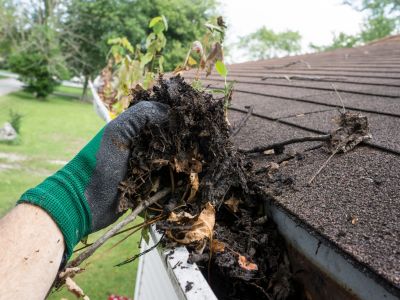
Regular maintenance can help you spot signs that your roof needs cleaning before problems escalate. One of the most obvious indicators is the presence of roof stains, which can appear as dark streaks or patches. These stains often result from algae, moss, or lichen, and if left untreated, they can damage your shingles over time.
Another sign is a buildup of debris, like leaves or branches, which can trap moisture and lead to rot. If you notice water pooling in certain areas after rain, that’s a clue your roof may be compromised.
Additionally, consider your cleaning frequency; if it’s been a while since your last clean, it might be time to reassess. Regular inspections can help you catch these issues early, ensuring your roof stays in good shape and prolonging its lifespan.
Don’t wait until it’s too late—take action!
Choosing the Right Time for Roof Cleaning
Choosing the right time for roof cleaning is essential for maintaining your home’s integrity.
Consider the seasons, as weather conditions can greatly impact your cleaning efforts, especially with older shingles.
Taking these factors into account will help you achieve the best results.
Seasonal Considerations For Cleaning
While it may be tempting to clean your roof at any time, understanding seasonal considerations can make a significant difference in effectiveness and safety.
Spring and fall are ideal for roof cleaning, as the weather tends to be mild and dry. During these seasons, you can easily spot debris and mold, making it simpler to assess cleaning frequency.
Avoid cleaning during extreme temperatures or heavy rain, as these conditions can pose safety risks and reduce the cleaning solution’s effectiveness.
Additionally, consider local seasonal weather patterns; if your area experiences heavy pollen or storm debris, you might need to adjust your cleaning schedule accordingly.
Weather Conditions Insights
Understanding the right weather conditions can greatly impact the success of your roof cleaning efforts. Pay attention to these factors to choose the ideal time:
- Weather patterns: Monitor forecasts to avoid rainy days.
- Humidity levels: High humidity can lead to moisture accumulation, making cleaning less effective.
- Temperature fluctuations: Aim for moderate temperatures; extreme heat or cold can affect cleaning solutions.
- UV exposure: Direct sunlight helps dry your roof faster, reducing the risk of mold growth.
- Seasonal storms: Avoid cleaning before predicted storms to prevent wind damage to your freshly cleaned roof.
Shingle Age Impact
The age of your shingles plays an essential role in determining the best time for roof cleaning. As shingles age, their lifespan decreases, making them more susceptible to damage from debris, algae, and moss.
If your shingles are nearing the end of their expected lifespan, it’s vital to clean them carefully to avoid further wear. Age factors, like exposure to harsh weather, can also influence how often you should clean your roof.
For newer shingles, routine cleaning can help extend their life, while older shingles may require a gentler approach.
Always assess the condition of your roof before cleaning, and choose the right time to maintain its integrity without compromising its longevity.
Safety First: Preparing for Roof Cleaning
Before you start cleaning your roof, assess its condition to identify any potential hazards.
Don’t forget to gear up with essential safety equipment to protect yourself during the job.
Taking these precautions guarantees you can work safely and effectively.
Assessing Roof Condition
Evaluating your roof’s condition is essential before diving into any cleaning project. A thorough roof inspection helps identify issues that could complicate your cleaning efforts. Here’s what to look for:
- Check for missing or damaged shingles.
- Look for signs of moss, algae, or mold growth.
- Inspect for loose flashing or rusted gutters.
- Assess any wear on your roofing material.
- Confirm there are no debris buildup in valleys or eaves.
Conducting a material assessment will give you a clearer picture of what your roof needs for maintenance.
Essential Safety Gear
Proper safety gear is essential when cleaning your roof to prevent accidents and injuries. Start by wearing safety goggles to protect your eyes from debris and cleaning solutions. A sturdy helmet is also a great idea, especially if you’re working with a partner who might be above you.
Next, invest in non-slip footwear; this is vital for maintaining your grip on the roof’s surface. If you’re using a ladder, make certain it’s stable and wear gloves to protect your hands from sharp edges or rough materials.
Finally, consider wearing a harness if you’re working on a steep slope. Taking these precautions will help you stay safe and focused on getting the job done effectively.
Tools You Need for Effective Roof Cleaning
When it comes to effectively cleaning your roof, having the right tools can make all the difference. You’ll want to gather a few essentials to guarantee a thorough and safe job.
Start with a reliable pressure washer for stubborn stains, and incorporate roof scrubbers and cleaning brushes for a hands-on approach. Don’t forget eco-friendly options or chemical solutions, especially if you’re tackling algae removers.
Here’s a quick list of tools you’ll need:
- Pressure washer for powerful cleaning
- Roof scrubbers for gentle scrubbing
- Cleaning brushes to reach corners
- Safety harnesses for stability
- Maintenance kits for ongoing care
Make certain your ladder stability is secure, and consider scheduling regular roof inspections.
With these tools, you’ll be well-equipped for effective roof cleaning and maintaining your shingles’ longevity.
Should You Clean Your Roof Yourself or Hire a Pro?
Deciding whether to clean your roof yourself or hire a professional can greatly impact the outcome of the job. There are several DIY challenges to evaluate, such as safety risks, proper techniques, and the right equipment.
Climbing on a roof can be dangerous, especially if you’re not experienced. If you choose to do it yourself, be prepared for potential mishaps that could lead to costly repairs down the line.
On the other hand, hiring a pro brings expertise and peace of mind. A cost analysis shows that while hiring a professional may seem pricier upfront, it often saves money in the long run by preventing damage and ensuring a thorough clean.
Weigh your skills, budget, and the importance of safety. Ultimately, the choice should reflect your comfort level and the condition of your roof.
Eco-Friendly Roof Cleaning Solutions
When it comes to cleaning your roof, using eco-friendly solutions can make a big difference.
You can opt for natural cleaning agents that are safe for both your roof and the environment.
Plus, incorporating water conservation techniques helps you clean effectively while reducing waste.
Natural Cleaning Agents
While many homeowners prioritize a clean roof, the choice of cleaning agents can make a significant difference. Opting for natural cleaning agents not only protects your shingles but also benefits the environment.
Here are some effective eco-friendly options you can use:
- Baking soda: Acts as a gentle abrasive, perfect for removing stains.
- Vinegar solution: A powerful mold killer that’s easy to make and use.
- Hydrogen peroxide: Great for tackling tough algae and mildew.
- Citrus-based cleaners: Their natural oils cut through grime while leaving a fresh scent.
- Biodegradable soap: Safe for roofs and the surrounding ecosystem.
Using these natural agents can help maintain your roof’s longevity while keeping your home green.
Water Conservation Techniques
To effectively clean your roof without wasting water, consider implementing water conservation techniques that not only save resources but also enhance the cleaning process.
Start by utilizing rainwater harvesting systems. Collecting rainwater can provide a sustainable source for your cleaning needs while reducing your water bill.
Combine this with efficient irrigation methods to guarantee you’re using water wisely. When cleaning, use targeted sprays to minimize runoff and apply eco-friendly cleaning agents that require less water.
Additionally, schedule your cleaning during cooler parts of the day to reduce evaporation.
By adopting these practices, you’ll keep your roof clean and prolong the life of your shingles, all while being mindful of the environment.
Every drop counts!
Step-by-Step Guide to Roof Cleaning
Cleaning your roof doesn’t have to be an intimidating task, especially if you follow a straightforward approach. By using effective roof cleaning techniques, you can maintain the longevity of your shingles.
Here’s a simple step-by-step guide to help you get started:
- Gather your materials: a soft brush, a hose, and a ladder.
- Inspect your roof: look for debris, damaged shingles, or signs of mold.
- Clear debris: gently brush off leaves and dirt, being cautious not to damage the shingles.
- Rinse the roof: use a hose to remove any remaining dirt or cleaning solution.
- Follow up: regularly inspect your roof to guarantee it remains clean and maintain your shingles effectively.
Removing Algae and Moss From Your Shingles
After clearing your roof of debris, you might notice unsightly algae and moss growing on your shingles. These not only affect your roof’s appearance but can also shorten its lifespan.
To tackle algae, consider using simple algae removal techniques like a mixture of water and vinegar or a specialized roof cleaner. Spray it on the affected areas and let it sit for about 15 minutes before rinsing with water.
For moss, gently scrape it off with a soft-bristle brush to avoid damaging your shingles. After removal, focus on moss prevention methods. Trim overhanging tree branches to increase sunlight exposure, and guarantee proper drainage to keep your roof dry.
Regular inspections and cleanings will help prevent future growth. By taking these steps, you’ll keep your shingles looking great and extend their life.
Best Techniques for Gutter Cleaning
When it comes to gutter cleaning, having the right tools makes all the difference.
You’ll also want to keep safety in mind and establish a seasonal maintenance schedule to keep your gutters in top shape.
Let’s explore these essential techniques to guarantee your gutters function properly all year round.
Essential Gutter Cleaning Tools
Gutter cleaning requires the right tools to make the job efficient and safe. Investing in essential tools not only simplifies the process but also helps maintain your gutters in top condition.
Here are some must-have items for effective gutter maintenance:
- Ladder: A sturdy ladder guarantees you can reach all areas safely.
- Gutter Scoop: This helps you remove debris quickly and easily.
- Garden Hose: Use it to flush out remaining dirt and check for blockages.
- Gloves: Protect your hands from sharp debris and grime.
- Safety Glasses: Keep your eyes safe from falling debris while you work.
With these gutter maintenance tips and essential tools, you’ll keep your gutters clean and functional for years to come.
Safety Precautions to Consider
Before you climb that ladder, it’s vital to prioritize your safety while cleaning gutters.
First, make sure you have the right footwear selection for surface grip; rubber-soled shoes can help prevent slipping.
Always follow ladder safety guidelines—set the ladder on stable ground and maintain three points of contact.
Use personal protective gear, like gloves and goggles, to shield against debris.
Consider roof stability and avoid working on wet or icy surfaces.
Having a fall protection system in place is essential, especially if you’re on a steep roof.
Finally, prepare an emergency plan in case of accidents, making sure someone knows your whereabouts.
Check the weather gear to avoid getting caught in a storm while you work.
Stay safe and clean!
Seasonal Maintenance Schedule Tips
As seasons change, it’s important to adopt a seasonal maintenance schedule for your gutters to guarantee they function effectively.
Regular upkeep prevents clogs and damage, making sure your roof and home remain safe. Here are some tips to take into account:
- Spring cleaning: Remove debris from gutters after winter to prevent blockages.
- Inspect for damage: Check for cracks or rust that may need repairs.
- Clear downspouts: Make certain water flows freely to avoid overflow.
- Fall preparation: Clean gutters of fallen leaves and dirt before winter sets in.
- Install gutter guards: Think about adding these to minimize debris buildup year-round.
Following this schedule helps maintain your gutters, protecting your roof and extending the life of your shingles.
Preventing Debris Buildup on Your Roof
To keep your roof in top condition, it’s essential to proactively prevent debris buildup. Regularly check your roof for leaves, branches, and other materials that can trap moisture and lead to damage. Implementing effective debris prevention strategies is key to maintaining your shingles.
Here’s a quick reference table to help you with your roof maintenance routines:
| Action | Frequency |
| Inspect Roof | Every 3 months |
| Clean Gutters | Biannually |
| Trim Overhanging Trees | Annually |
How Often Should You Clean Your Roof?
Keeping your roof free from debris sets the foundation for regular cleaning.
To maintain your shingles’ lifespan, it’s essential to adopt a cleaning frequency that suits your environment. Here’s how often you should clean your roof:
- Twice a year: Spring and fall are ideal times for a thorough cleaning.
- After storms: Clean up immediately after heavy winds or storms to remove debris.
- If you notice growth: Moss or algae can damage shingles, so address it promptly.
- In high-pollen areas: If you live where pollen accumulates, consider cleaning more often.
- Check your roof’s condition: Inspect regularly; if it looks dirty, it’s time for a cleaning.
Following this schedule can help extend your shingle lifespan and keep your roof looking its best.
How to Inspect Your Roof After Cleaning
Inspecting your roof after cleaning is essential for making sure it remains in good condition. Start by visually checking for any debris left behind, like leaves or twigs, that might cause future issues.
Use roof inspection techniques, such as looking for signs of algae or stains that could indicate lingering moisture. Don’t forget to examine the shingles closely for any damage, like cracks or missing pieces, during your post-cleaning evaluation.
Inspect for algae, stains, and shingle damage to catch issues early and maintain your roof’s integrity.
Next, check the gutters to make certain they’re clear and draining properly, as clogged gutters can lead to water pooling on your roof.
If you feel comfortable, get on a ladder for a better view, but always prioritize safety. A thorough inspection helps you catch problems early, saving you from costly repairs down the line.
Regular evaluations after cleaning can extend the life of your roof and keep your home looking great.
Top 5 Mistakes to Avoid in Roof Cleaning
When cleaning your roof, it’s easy to make mistakes that can lead to bigger problems.
Using harsh chemicals might seem effective, but they can damage your shingles and the environment.
Don’t forget to prioritize safety precautions, too; a fall from the roof isn’t worth the risk.
Using Harsh Chemicals
While it might be tempting to grab the strongest chemicals for roof cleaning, doing so can lead to costly mistakes. Harsh chemicals can damage your shingles, harm the surrounding environment, and even pose health risks.
Instead, consider safer chemical alternatives and conduct an impact assessment before using any product. Here are five mistakes to avoid:
- Skipping the label: Always read product instructions carefully.
- Mixing chemicals: This can create dangerous reactions.
- Not testing a small area: Always test first to avoid widespread damage.
- Ignoring local regulations: Guarantee compliance with environmental laws.
- Underestimating dilution: Stronger isn’t always better; proper dilution is key.
Being cautious with your cleaning methods will help maintain your roof’s integrity and longevity.
Ignoring Safety Precautions
Ignoring safety precautions can lead to serious accidents during roof cleaning. Always wear appropriate safety gear, like non-slip shoes, gloves, and a harness if you’re working at height. This gear protects you from slips and falls, which are common on roofs.
Make certain your ladder is stable before climbing; it should be on a flat surface and extend at least three feet above the roof edge.
Never overreach while on the ladder—move it as needed to stay safe. If you’re unsure about your ability to clean the roof safely, consider hiring professionals.
Prioritizing your safety won’t only keep you injury-free but also guarantee your roof gets the care it needs without unnecessary risks.
How Roof Cleaning Affects Your Warranty
Understanding how roof cleaning affects your warranty can save you from unexpected expenses. Many homeowners don’t realize that improper cleaning can void warranty coverage. Manufacturers often specify cleaning frequency and methods to maintain warranty validity. Here’s what you need to know:
- Check your warranty terms: Read the fine print for cleaning specifications.
- Follow recommended cleaning frequency: Regularly scheduled cleanings can prevent buildup, ensuring your roof lasts.
- Use approved cleaning products: Some chemicals can damage shingles, voiding your warranty.
- Document your cleanings: Keep records to showcase compliance with maintenance requirements.
- Hire certified professionals: They know the best practices to protect your warranty.
Seasonal Roof Care Tips for Longevity
To guarantee your roof lasts through every season, it’s crucial to adopt a proactive maintenance routine. Start with seasonal inspections; check for loose shingles, debris, and signs of wear.
A proactive maintenance routine with seasonal inspections is essential for a durable roof that withstands the elements.
In the spring, clear away winter’s remnants and verify gutters are free-flowing. Summer is the perfect time to look for algae or moss growth that can harm your shingles. As fall approaches, trim overhanging branches to prevent damage from falling leaves and limbs.
In winter, monitor for ice dams and verify your attic is well-ventilated to prevent heat buildup. Regularly inspecting your roof helps you catch potential issues early, saving you time and money in the long run.
Establishing these maintenance routines not only extends the life of your shingles but also keeps your home safe and sound. By following these tips, you’ll guarantee your roof stays resilient against the elements all year round.
How Weather Affects Roof Cleaning
Weather plays a significant role in how and when you should clean your roof. Understanding the conditions around you can help you avoid issues like rain damage and manage the humidity impact on your shingles.
Here are some key points to reflect on:
- Avoid Cleaning Before Rain: Wet surfaces can lead to slips and ineffective cleaning.
- Watch Out for Humidity: High humidity can prolong the drying process, allowing mold and algae to thrive.
- Seasonal Considerations: Spring and fall are ideal, while extreme summer heat can damage roof materials.
- Temperature Fluctuations: Cold weather can freeze cleaning solutions, making them less effective.
- After Storms: Inspect your roof for debris and potential damage, and clean as necessary.
When to Call in the Experts for Roof Cleaning?
Sometimes, despite your best efforts, the condition of your roof might require professional attention. Knowing when to call in the experts can save you time and prevent further damage. If you notice excessive moss, algae, or stains, it’s time for a roof inspection by professional services.
Here’s a quick guide to help you decide:
| Condition | Action Needed | Recommended Professional Services |
| Heavy Moss Growth | Schedule an inspection | Roof Cleaning Specialists |
| Algae Stains | Request a cleaning service | Roof Maintenance Experts |
| Loose Shingles | Consult a roofing contractor | Roofing Repair Professionals |
If you’re unsure, a roof inspection can provide clarity on the condition of your shingles. Don’t hesitate to reach out for professional services when needed; it’s an investment in your home’s longevity.
Keeping Your Roof Shingles Looking New
Keeping your roof shingles looking new requires regular maintenance and attention. By following these shingle maintenance tips, you can greatly enhance your roof’s appearance and prolong its lifespan.
- Clean Debris: Regularly remove leaves, branches, and dirt that can trap moisture.
- Inspect for Damage: Check for cracked or missing shingles and address issues promptly.
- Trim Overhanging Branches: Prevent shade and debris buildup by keeping trees trimmed back.
- Use a Roof Cleaner: Apply a gentle roof cleaner to remove algae and moss without damaging shingles.
- Schedule Regular Inspections: Have a professional inspect your roof at least once a year to spot potential problems early.
The Benefits of Regular Roof Maintenance
While it might seem tempting to overlook roof maintenance, regularly caring for your roof offers significant benefits that can save you time and money in the long run. One of the main roof maintenance benefits is preventing minor issues from turning into costly repairs. By keeping an eye on your roof, you can catch problems early, like leaks or damaged shingles, before they escalate.
Additionally, regular maintenance enhances your roof’s lifespan, providing longevity advantages. A well-maintained roof can last years longer than one that’s neglected. This means fewer replacements and lower overall costs.
Moreover, a clean roof improves your home’s curb appeal, which can boost its value if you decide to sell.
Frequently Asked Questions
Can Roof Cleaning Increase My Home’s Energy Efficiency?
Yes, roof cleaning can boost your home’s energy efficiency. By removing dirt and algae, effective cleaning methods enhance your roof’s reflective properties, reducing heat absorption and lowering cooling costs during hot months.
What Impact Does Roof Cleaning Have on Property Value?
Roof cleaning greatly boosts your property’s aesthetics, making it more appealing to potential buyers. A clean roof enhances curb appeal, which can increase your home’s resale potential, helping you secure a better price when selling.
Are There Any Legal Regulations for Roof Cleaning in My Area?
Yes, there are often local regulations regarding roof cleaning. You might need cleaning permits depending on your area. Check with your local municipality to guarantee you follow the necessary rules and avoid potential fines.
How Can I Tell if My Shingles Are Damaged After Cleaning?
After cleaning, check your shingles for damage signs. Look for cracks, curling edges, or missing granules. A thorough shingle inspection helps you spot issues early, ensuring your roof stays in good shape for longer.
Will Cleaning My Roof Void Any Existing Warranties?
Cleaning your roof might void your roof warranty if you use improper cleaning methods. Always check your warranty terms and consult your manufacturer to guarantee you’re following the correct procedures and protecting your investment.
Final Thoughts
Keeping your shingles clean is one of the simplest ways to protect your roof’s lifespan and avoid preventable repairs. When you stay ahead of debris, algae, and moss, you’re preserving your roof’s performance, improving curb appeal, and reducing the risk of costly damage down the road.
If you’re not sure whether your roof just needs a safe cleaning or if there are early signs of wear that should be addressed, our team at Troy Roofing Pros can help. Start with a professional roof inspection to confirm your shingles are in good shape, then we’ll recommend the best next step—whether that’s maintenance, targeted repairs, or planning ahead for a roof replacement. If your home has shingles that need specialized care, we also work with systems like asphalt roofing to keep them performing at their best.
Ready to protect your roof and extend the life of your shingles? Contact us today to schedule an evaluation through our contact page or explore all of our roofing services to find the right solution for your home.