
Planning for a roof replacement starts with evaluating your current roof’s condition to identify any issues. Set a realistic budget, considering material costs and additional expenses. Finding the right roofing contractor is essential, so check their credentials and reviews. Don’t overlook permits and local regulations, as they can impact your project. Prepare your home by clearing the area and protecting valuables. Understanding each phase of the replacement process will guarantee a smooth experience. There’s more to uncover about this topic.
Key Takeaways
- Assess your roof’s condition regularly to identify issues and determine the need for replacement before it becomes urgent.
- Budget for replacement costs by evaluating materials, labor, permits, and unexpected expenses to avoid financial surprises.
- Research and select a reputable roofing contractor by checking credentials, insurance, and customer feedback for reliability.
- Understand local permits and regulations to ensure compliance during the roof replacement process and avoid potential fines.
- Prepare your home by clearing access and protecting furniture to facilitate a smooth and efficient roof replacement experience.
Why Assessing Your Current Roof Condition Is Crucial
When you assess your current roof condition, you not only protect your investment but also guarantee your home remains safe and comfortable.
Understanding your roof’s lifespan is fundamental; most roofs last between 20 to 30 years, depending on materials and maintenance. Regular inspections help you identify potential issues before they escalate, so having an inspection checklist is important.
Start by checking for missing or damaged shingles, signs of leaks, and mold growth.
Look for any sagging areas or rust on flashing, as these can indicate deeper problems.
Don’t forget to examine gutters and downspouts, too, since they play a significant role in directing water away from your home.
Setting a Realistic Budget for Your Roof Replacement
When planning your roof replacement, you need to start by evaluating material costs.
Don’t forget to factor in additional expenses like labor, permits, and unexpected repairs.
Setting a realistic budget now can save you headaches later on.
Assessing Material Costs
As you begin planning your roof replacement, evaluating material costs is essential for setting a realistic budget. Start by researching different roofing materials, focusing on their durability and lifespan.
While cheaper options might save you money upfront, consider long-term costs and the potential need for repairs. A cost comparison between materials like asphalt shingles, metal, and tile can help you understand the trade-offs.
For instance, metal roofs often have higher initial costs but can last considerably longer, offering better value over time.
Don’t forget to factor in warranties, as they can reflect a material’s quality. Making informed choices about material costs will guarantee your budget aligns with your needs and expectations.
Considering Additional Expenses
After evaluating material costs, it’s important to contemplate additional expenses that can impact your overall budget for a roof replacement.
You should account for unexpected costs like permits, disposal fees, or repairs to underlying structures. These hidden fees can quickly add up, so it’s wise to get a detailed estimate from your contractor.
Consider potential costs for extra materials or labor, especially if your home has unique features, like chimneys or skylights.
Always leave a buffer in your budget for those surprise expenses that might arise during the installation.
How to Find the Best Roofing Contractor for Your Needs
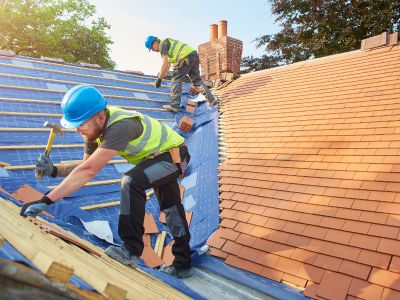
Finding the right roofing contractor is essential for a successful roof replacement.
You’ll want to verify their credentials and licenses, request detailed estimates, and check local references to guarantee quality work.
Taking these steps will help you make an informed decision and protect your investment.
Verify Credentials And Licenses
How can you guarantee you’re hiring a reputable roofing contractor? Start by verifying their credentials and licenses. A licensed contractor shows they’re qualified and comply with local regulations. Check their insurance coverage, which protects you from liability in case of accidents. Don’t forget to read contractor reviews; they provide insight into other customers’ experiences.
Here’s a quick reference to help you evaluate potential contractors:
| Factor | What to Look For | Why It Matters |
| License | Up-to-date and valid | Guarantees legal compliance |
| Insurance Coverage | Liability and workers’ comp | Protects you financially |
| Contractor Reviews | Consistent positive feedback | Reflects reliability |
| Experience | Years in business | Indicates expertise |
| Warranty | Written guarantee | Guarantees quality work |
Request Detailed Estimates
Once you’ve verified the credentials and licenses of potential roofing contractors, the next step is to request detailed estimates. This is essential for understanding what each contractor offers.
Ask for a breakdown of costs, including labor, roofing materials, and any additional fees. By getting multiple estimates, you can make effective estimate comparisons to identify the best value for your project.
Pay close attention to the types of roofing materials included in each estimate, as this can greatly impact durability and aesthetics. Don’t hesitate to ask questions or clarify any uncertainties.
A transparent contractor will be open to discussing their estimates, helping you feel more confident in your final decision.
Check Local References
Why should you check local references when choosing a roofing contractor? It’s essential for evaluating a contractor’s local reputation and reliability. Community reviews can provide insight into past work, customer satisfaction, and overall trustworthiness. Here’s a quick comparison to help you evaluate:
| Contractor Name | Local Reputation | Community Reviews |
| Contractor A | Excellent | 5 stars |
| Contractor B | Good | 4 stars |
| Contractor C | Fair | 3 stars |
Understanding Permits and Regulations
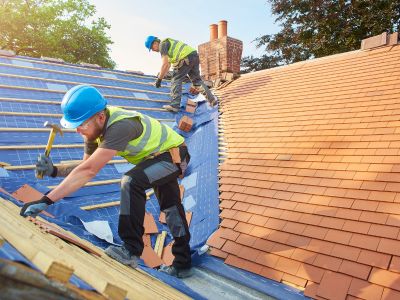
Before diving into a roof replacement, you need to understand the permits and regulations that may apply to your project. Start by checking the permit types required in your area; these can vary based on your local ordinances.
Familiarize yourself with zoning regulations, as they might dictate the materials or height of your new roof.
You’ll also need to navigate the application process, which typically involves submitting plans and paying fees.
Keep in mind your homeowner responsibilities, like making sure all work meets local codes.
Finally, be prepared for inspection requirements, as many jurisdictions will require an inspector to verify that the installation meets safety standards.
Key Roofing Materials to Consider for Your Replacement
After securing the necessary permits and understanding local regulations, it’s time to focus on the materials you’ll use for your roof replacement. You’ve got several options, each with its own benefits.
Asphalt shingles are popular for their affordability and ease of installation, offering decent energy efficiency. If you’re looking for something more durable, metal roofing can enhance your home’s aesthetic appeal while reflecting heat, helping to lower energy bills.
Clay or concrete tiles provide a unique look and are incredibly long-lasting, though they can be heavier and pricier. If sustainability’s a priority, consider eco-friendly materials like recycled shingles or green roofs, which can improve your home’s energy efficiency further.
Ultimately, think about your budget, desired lifespan, and how each material fits your home’s style. Making an informed choice won’t only protect your investment but also enhance your home’s overall value.
Timing Your Roof Replacement: Weather Considerations
When planning your roof replacement, it’s essential to take into account the weather, as it can greatly impact both the timeline and quality of the job.
Seasonal trends play a vital role in determining the best time for your project. Generally, late spring and early fall are ideal, as you’ll avoid extreme temperatures and precipitation.
Keep an eye on local weather patterns; unexpected rain or snow can delay work and compromise the installation process. If your area experiences heavy storms or harsh winters, scheduling your replacement during calmer months will provide better conditions for both the crew and your roof materials.
Additionally, consider the humidity levels, as excessive moisture can affect the adhesive used in roofing materials.
Preparing Your Home for the Roof Replacement
To guarantee a smooth roof replacement, you’ll want to prepare your home ahead of time. Start by ensuring there’s clear roof access for the crew. Remove any obstacles like branches, vehicles, or patio furniture that could hinder their work. This not only speeds up the process but also keeps everyone safe.
Next, think about interior protection. Cover furniture and flooring in rooms directly below the roof to guard against dust and debris. You might even want to remove delicate items and wall hangings to prevent any accidental damage.
Finally, alert your neighbors about the upcoming work. They’ll appreciate the heads-up regarding noise and activity.
What Happens During the Roof Replacement Process?
With your home prepped and ready, the roof replacement process kicks off with a thorough inspection by the contractors. They’ll assess the current roof condition and determine the necessary materials and methods for your specific needs.
Next, they’ll focus on roof preparation. This includes covering your landscaping and removing any obstacles to guarantee a smooth workflow.
Once everything’s in place, the team will begin debris removal. They’ll strip off the old roofing material, making way for the new installation. During this phase, expect some noise and activity, but rest assured, the crew is dedicated to working efficiently and safely.
After the old roof is removed, they’ll inspect the underlying structure for damage. If repairs are needed, they’ll address those before laying down the new roofing materials.
Finally, they’ll clean up the area, ensuring all debris is cleared, leaving your home looking great and ready for its new roof!
Frequently Asked Questions
How Long Will a Roof Replacement Typically Take?
A roof replacement typically takes one to three days, depending on your roofing timeline and material selection. Weather conditions and the roof’s complexity can also affect the overall time required for completion.
What Should I Do With My Pets During the Replacement?
During the roof replacement, keep your pets safe by relocating them to temporary housing, like a friend’s home or a kennel. This minimizes stress and guarantees they’re away from noise and potential dangers.
Will My Insurance Cover the Roof Replacement?
Your insurance might cover the roof replacement, but it depends on your policy’s coverage limits. Check your insurance claims process and discuss any potential gaps with your agent to guarantee you’re fully informed.
Can I Stay Home During the Roof Replacement?
You can stay home during the roof replacement, but noise concerns and safety precautions make it less comfortable. If you have kids or pets, consider finding a quieter space until the work’s done.
What Warranties Are Available for New Roofing Materials?
You’ll find various warranties for new roofing materials, often covering material longevity and specifics like installation. Check with your supplier or contractor to understand the coverage details and make informed decisions for your home.
Final Thoughts
Planning a roof replacement starts with knowing where your roof stands today, what your budget can realistically support, and which materials make sense for your home. When you pair a thorough inspection with the right contractor and a clear plan for timing, permits, and preparation, the entire process becomes smoother—and the finished roof delivers better protection and long-term value.
If you’re weighing next steps, Troy Roofing Pros can help you move forward with confidence. Start with a professional roof inspection so we can confirm whether a roof replacement is the best route or if a smaller solution is still on the table. Explore our full services and reach out through our contact page to schedule an estimate.