
When it comes to DIY roof maintenance, knowing what’s safe and what’s not is essential for your safety and the longevity of your roof. While you might handle tasks like gutter cleaning or shingle repair, there are situations where calling in a professional is the smarter choice. Understanding these boundaries can save you time and potential injuries. So, how do you determine when to tackle a job yourself and when to step back?
Key Takeaways
- Regularly inspect your roof for damage, especially after severe weather, to catch issues early and maintain safety.
- Always prioritize safety by using proper gear, securing ladders, and working with a partner when on the roof.
- Avoid tackling extensive damage or steep roofs; these situations are best left to professionals for safety and expertise.
- Take time to ensure thorough work and avoid rushing projects, which can lead to mistakes and potential hazards.
- Clean your roof and gutters regularly to prevent debris buildup, which can cause water damage and compromise roof integrity.
Essential DIY Roof Maintenance Tasks You Can Handle
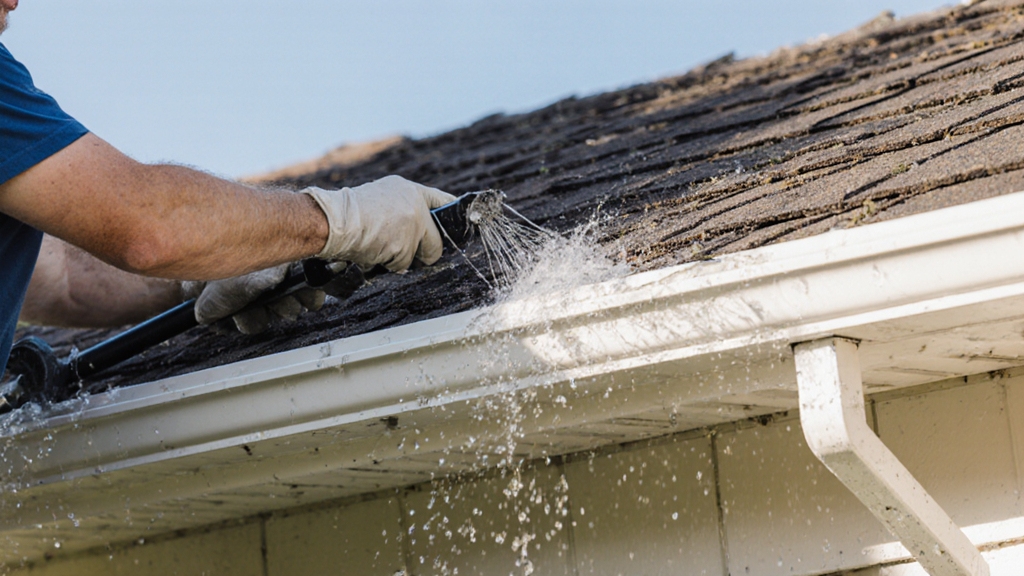
When it comes to maintaining your roof, taking on some essential DIY tasks can save you time and money. One of the most important tasks is gutter cleaning. Clogged gutters can lead to water damage, so it’s vital to remove leaves and debris regularly. You can use a ladder and a scoop to clear out the gutters, ensuring they’re functioning properly.
Another task you can tackle is shingle replacement. If you notice missing or damaged shingles, replacing them promptly can prevent leaks and further damage. Simply lift the damaged shingle and remove the nails, then slide a new one into place and secure it with roofing nails.
These DIY tasks not only extend the life of your roof but also give you peace of mind. By staying proactive with your roof maintenance, you’ll protect your home and avoid costly repairs down the road.
How to Stay Safe While Working on Your Roof
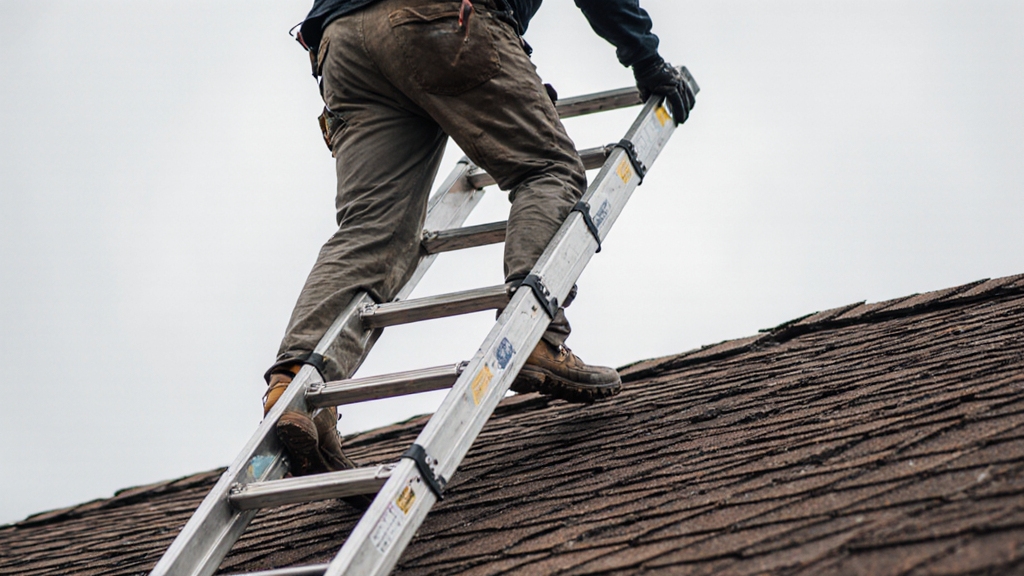
While tackling roof maintenance can be rewarding, safety should always be your top priority.
Before you climb up, take a moment to verify you’re prepared. Here are some key safety tips to keep in mind:
- Check ladder stability: Make sure your ladder is on even ground and secured properly.
- Assess roof pitch: Know the angle of your roof; steeper pitches require extra caution and equipment.
- Wear appropriate gear: Use non-slip shoes and a safety harness if needed to prevent falls.
- Work with a partner: Having someone nearby can assist you in case of an emergency and help hold the ladder steady.
When to Call a Professional for DIY Roof Maintenance
How do you know if it’s time to call in a professional for your roof maintenance? If you notice extensive damage, like large leaks or missing shingles, it’s best to reach out to roofing specialists. They can provide a thorough assessment and determine the necessary repairs.
If you’re unsure about the severity of an issue, don’t hesitate to get repair estimates from a few contractors. This gives you a clearer picture of what needs to be done.
Additionally, if your project involves working on steep slopes or complex roofing systems, it’s safer to call in the experts. Remember, your safety and the integrity of your home are paramount.
If you feel overwhelmed or lack the right tools, hiring professionals guarantees the job gets done correctly and efficiently. Trust your instincts, and don’t hesitate to seek help when needed.
Top 5 DIY Roofing Mistakes and How to Avoid Them
When you tackle roof maintenance, it’s easy to overlook safety gear and skip thorough inspections.
Ignoring these essential steps can lead to accidents or missed issues that worsen over time.
Let’s explore the top DIY roofing mistakes and how you can avoid them.
Ignoring Safety Gear
Neglecting safety gear can turn a simple roofing project into a dangerous endeavor.
Skipping out on personal protective equipment puts you at risk for serious injuries. Always prioritize your safety by using the right gear.
Here’s what you shouldn’t overlook:
- Hard hat: Protects your head from falling objects.
- Safety harness: Keeps you secure while working at heights.
- Non-slip footwear: Reduces the risk of slips and falls.
- Safety goggles: Shields your eyes from debris and dust.
Overlooking Proper Inspection
While it might seem tempting to skip a thorough inspection before starting your roofing project, overlooking this critical step can lead to costly mistakes down the line.
You may miss overlooked signs of damage, such as loose shingles, cracks, or water stains, which can worsen if not addressed quickly. Regular inspection frequency is essential; ideally, you should check your roof at least twice a year and after severe weather events.
Taking the time to inspect now can save you from bigger headaches later. Use binoculars for a close look from the ground, or safely climb up for a better view.
Tools and Materials for Successful Roof Maintenance
To tackle roof maintenance effectively, you’ll need a few essential tools and materials. Having the right equipment guarantees you can handle common tasks safely and efficiently. Here’s what you should gather:
- Safety gear: A sturdy ladder, non-slip shoes, and a safety harness help keep you safe while working at heights.
- Basic maintenance tools: A hammer, nails, and a utility knife are critical for basic repairs on roofing materials.
- Cleaning supplies: A broom or blower for debris removal, and a pressure washer for tougher stains.
- Sealants and patches: These materials are essential for fixing leaks and guaranteeing your roof’s longevity.
With these roofing materials and maintenance tools in hand, you’ll be well-equipped to keep your roof in top shape.
Regular upkeep can save you from costly repairs down the line and prolong the life of your roof.
Key Roof Components and Their Functions
Understanding the key components of your roof is fundamental for effective maintenance and longevity. Different roof types, like gable or flat, play an important role in how water drains off, impacting your drainage systems. Proper installation of insulation materials can improve energy efficiency, while effective ventilation is essential to prevent moisture buildup and extend your shingle lifespan.
Don’t overlook flashing techniques, which protect vulnerable areas from leaks. Roof coatings can add an extra layer of protection, enhancing durability.
Finally, monitor your gutter systems to guarantee they’re free of debris; they help channel water away from your home, reducing the risk of damage. By familiarizing yourself with these components, you can make informed decisions for maintenance and repairs, ensuring your roof stays in top shape for years to come.
Preparing for Seasonal Roof Maintenance: A Checklist
Before you tackle seasonal roof maintenance, it’s vital to gather the essential tools and guarantee your safety.
Make a checklist to keep everything organized and to help you stay safe while working on your roof.
With the right preparation, you can make this task smoother and more effective.
Essential Tools Required
While tackling seasonal roof maintenance, having the right tools on hand can make all the difference in guaranteeing your roof stays in top shape.
Here’s a checklist of essential roofing tools and maintenance equipment you’ll need:
- Safety harness: Protect yourself while working at heights.
- Roofing ladder: A sturdy ladder guarantees safe access to your roof.
- Broom or leaf blower: Keep your roof clear of debris and leaves.
- Caulking gun: Seal any gaps or cracks to prevent leaks.
With these tools ready, you’re set to handle common maintenance tasks effectively.
Regular upkeep not only prolongs your roof’s lifespan but also helps you catch potential issues early, saving you time and money in the long run.
Safety Precautions Checklist
As you gear up for seasonal roof maintenance, it’s essential to prioritize safety to prevent accidents and injuries.
Start by gathering your safety gear, including a hard hat, non-slip shoes, and a sturdy harness. Make certain your ladder is in good condition and positioned correctly to avoid falls.
Before climbing up, conduct thorough roof inspections from the ground to identify potential hazards like loose shingles or debris. Always have someone nearby to assist you and call for help if needed.
If you’re uncomfortable with heights or the task at hand, it’s wise to consult a professional.
Frequently Asked Questions
Can I Walk on My Roof Without Damaging It?
You can walk on your roof, but roof walking safety depends on the material. Asphalt shingles are more forgiving, while tiles or metal can be fragile. Always assess your roof’s condition before stepping on it.
How Often Should I Inspect My Roof?
You should inspect your roof at least twice a year, ideally during seasonal changes. Regular roof inspection frequency helps catch potential issues early, so you can address them before they escalate into costly repairs.
What’s the Best Time of Year for Roof Maintenance?
The best time for roof maintenance is early spring or fall. Seasonal considerations like temperature and rainfall impact your work. You want dry weather to avoid slipping and guarantee materials adhere properly during repairs.
Can I Use a Pressure Washer on My Roof?
You shouldn’t use a pressure washer on your roof. It can damage shingles and compromise your roof’s integrity. Instead, consider safer roof cleaning techniques like soft washing to maintain both safety and effectiveness.
How Do I Identify Roof Leaks Effectively?
To identify roof leaks effectively, conduct a moisture assessment by checking for water stains on ceilings and walls. Use leak detection methods like inspecting flashing, seals, and shingles, ensuring you cover every potential entry point.
Final Thoughts
DIY roof maintenance can absolutely save you time and money, but your safety—and the long-term health of your roof—should always come first. By understanding which tasks are safe to handle on your own, like basic cleaning and minor fixes, and which ones should be left to a professional, you’ll keep your roof in great shape without putting yourself at risk. Pairing smart DIY care with scheduled professional roof inspections is the best way to catch small issues early and protect your home.
When you’re facing steep pitches, extensive damage, or repairs that go beyond basic tools and skills, it’s time to call in the experts at Troy Roofing Pros. Their experienced team offers comprehensive roofing services, including residential roofing and roof replacement, so you can avoid costly mistakes and ensure the job is done right.
If you’re unsure whether a project is safe to tackle on your own or you’re ready to schedule a professional inspection or repair, contact Troy Roofing Pros today. With the right balance of DIY maintenance and expert support, you can confidently care for your roof and keep your home safe and sound year-round.