
Identifying early signs of roof damage is essential for maintaining your home’s integrity. You might overlook subtle indicators like missing shingles or water stains on the ceiling, but these can lead to bigger issues if not addressed. Regular inspections can save you money and headaches down the line. So, what should you be looking for? Let’s explore the key signs that could signal your roof needs attention.
Key Takeaways
- Look for water stains on ceilings, as they indicate potential leaks or moisture issues in the roof.
- Check for missing, cracked, or broken shingles during visual inspections to identify early signs of damage.
- Observe for sagging rooflines, which can signal underlying structural problems that require immediate attention.
- Inspect for peeling or bubbling paint inside the home, suggesting excessive moisture damaging the roof.
- Evaluate gutters for granule loss, as granules found in gutters indicate wear and potential roofing issues.
Why Roof Maintenance Is Crucial for Home Protection
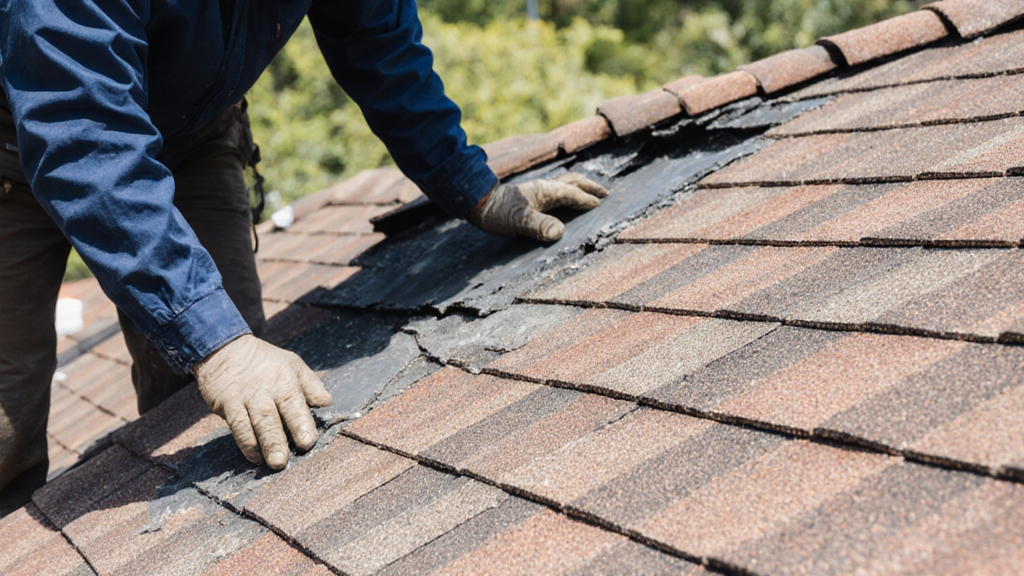
While you mightn’t think about your roof every day, neglecting its maintenance can lead to significant problems down the road. Regular roof inspections are vital to catch minor issues before they escalate into costly repairs. By scheduling these inspections, you guarantee your roof remains in good condition and can withstand the elements.
Creating a maintenance schedule is key to protecting your home. This schedule should include seasonal checks, cleaning gutters, and evaluating for any wear and tear. Early detection of issues like missing shingles or cracks can save you from major headaches later.
Investing time in regular maintenance not only extends the life of your roof but also enhances your home’s overall value.
Common Causes of Roof Damage
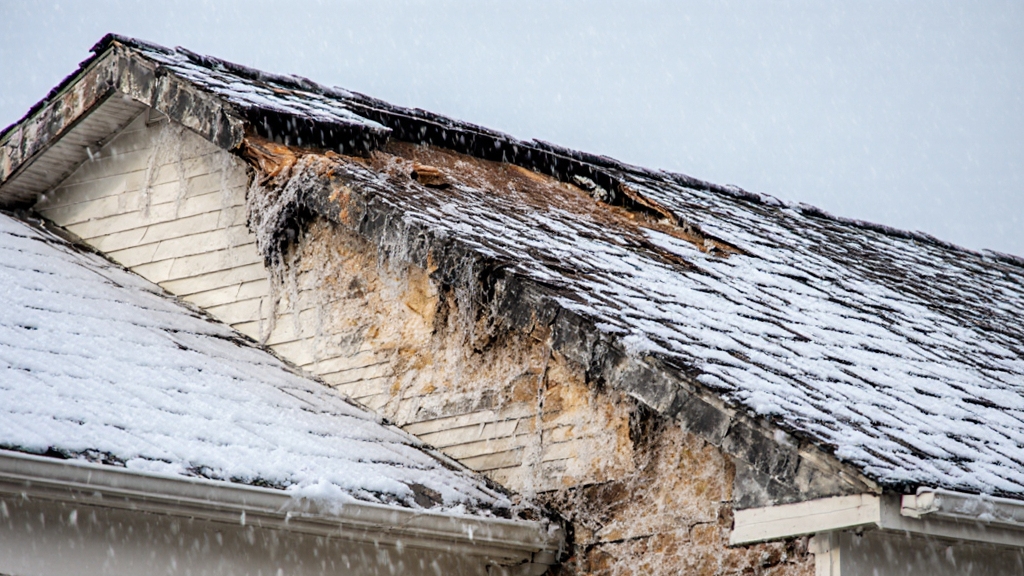
Regular maintenance helps you spot potential issues, but it’s also important to understand what typically causes roof damage.
One of the most significant factors is weather effects. Extreme temperatures, heavy rain, snow, and high winds can wear down roofing materials over time. For instance, consistent exposure to harsh sunlight can lead to cracking and fading, while heavy rains can cause leaks if not properly managed.
Weather effects play a crucial role in roof deterioration, with extreme temperatures and heavy rains leading to significant damage over time.
Another common cause is tree interference. Overhanging branches can scrape against your roof, leading to shingle damage and providing pathways for moisture.
If leaves accumulate in gutters, they can trap water and cause additional strain on your roof.
Signs of Roof Damage: Water Stains on the Ceiling
Water stains on the ceiling are a clear warning sign that your roof may be compromised. These stains often indicate water damage, which can lead to more serious issues if not addressed promptly.
During your ceiling inspection, look for:
- Brown or yellowish spots: These often signal long-standing leaks.
- Peeling or bubbling paint: This can indicate moisture trapped underneath the surface.
- Mold or mildew growth: This suggests excessive moisture, which can harm both your roof and indoor air quality.
If you notice any of these signs, it’s essential to act quickly. Ignoring them can lead to extensive damage and costly repairs.
Check for leaks in your roof and consult a professional if needed. Taking these steps early can save you headaches down the line and guarantee your home remains safe and sound.
Checking for Missing or Damaged Shingles
When checking for missing or damaged shingles, start with a visual inspection of your roof’s surface.
Look for signs of curling shingles, which can indicate age or wear, and keep an eye out for granule loss that affects your roof’s protective layer.
Identifying these issues early can help you prevent more serious damage down the road.
Visual Inspection Techniques
To effectively spot early signs of roof damage, start with a thorough visual inspection of your shingles.
This roof inspection is essential for an accurate damage assessment. Here’s what to look for:
- Missing shingles: Check for any gaps where shingles should be.
- Cracked or broken shingles: Inspect each shingle for visible cracks or breaks that could lead to leaks.
- Discoloration: Look for patches or stains, which could indicate water damage.
Taking the time to examine your roof can save you from costly repairs down the line.
If you notice any of these issues, consider contacting a professional for a more detailed evaluation.
Regular inspections help maintain your roof’s integrity and prolong its lifespan.
Signs of Curling Shingles
One of the key indicators of roof damage is curling shingles, which can signal a need for immediate attention. Curling shingles often occur due to age, poor ventilation, or improper installation.
If you notice shingles lifting at the edges or curling upward, it’s a sign that they’re losing their effectiveness. The curling shingle effects can lead to water leaks, mold growth, and structural damage if not addressed promptly.
To check for missing or damaged shingles, inspect your roof regularly, especially after severe weather. Look for any irregularities in shingle alignment or shape.
Taking action now can save you from costly repairs later and guarantee your roof continues to protect your home effectively.
Identifying Granule Loss
While you mightn’t notice it right away, identifying granule loss on your roof is essential for maintaining its integrity. Granules protect shingles from UV rays, and their absence can lead to more significant issues.
To check for granule loss, look for:
- Missing granules: Inspect shingles for bald spots.
- Granules in gutters: Check if your gutters collect granules, indicating wear.
- Deterioration patterns: Notice uneven wear based on granule types used.
Regular roof maintenance includes examining these signs to prevent costly repairs down the line.
If you find significant granule loss, it may be time to consult a professional. Staying proactive about this issue can save you money and extend your roof’s lifespan.
How Granule Loss Affects Roof Longevity
As you inspect your roof, noticing granule loss can be a red flag that affects its longevity. Granules serve as a protective layer for your roof, shielding it from harmful UV rays and extreme weather. Different granule types, such as mineral and ceramic, contribute uniquely to this defense.
Noticing granule loss during roof inspections can signal potential longevity issues, as they protect against UV rays and harsh weather.
When granules wear away, you expose the underlying materials to moisture and heat, accelerating roof deterioration. This deterioration can lead to leaks, mold growth, and structural damage, all of which shorten your roof’s lifespan.
If you spot significant granule loss, it’s essential to address the issue promptly. Replacing damaged shingles or applying a protective coating can help restore your roof’s integrity.
Regular inspections and maintenance can also prevent further granule loss, ensuring your roof remains resilient over the years. Keeping an eye on granules is key to preserving your roof’s health and maximizing its longevity.
Inspecting Roof Flashing for Damage
Roof flashing plays an essential role in protecting your home from water intrusion, so it’s important to inspect it regularly for damage.
Different flashing types, such as valley, chimney, and base flashing, can wear down over time, leading to leaks if not addressed.
Here’s what to look for during your inspection:
- Cracks or gaps: Check the seams and edges for any visible cracks that may allow water to seep through.
- Corrosion or rust: If your flashing materials are metal, look for signs of rust or corrosion, which can weaken the structure.
- Improper sealing: Verify that the flashing is properly sealed to the roofing materials; any lifting or peeling indicates a need for immediate attention.
How to Spot Mold or Mildew on Your Roof
To keep your roof in top shape, you need to know how to spot mold or mildew.
Look for dark streaks or patches, which are common indicators of growth.
Regular maintenance can help prevent these issues, so let’s explore some effective tips.
Common Mold Indicators
While inspecting your home, you might notice dark streaks or patches forming on your roof, which can signal the presence of mold or mildew.
Addressing these signs is vital, as mold growth can lead to serious health risks for you and your family. Here are some common indicators to look for:
- Dark spots that appear to spread, indicating active mold.
- Strong musty odors that linger around your roof or attic.
- Water stains on your ceilings or walls, suggesting leaks from moldy areas.
If you spot any of these signs, don’t ignore them.
Early detection helps prevent further damage and potential health issues. Regular checks can keep your roof in good shape and your home safe.
Prevention and Maintenance Tips
Regular maintenance is essential for keeping your roof free from mold and mildew. To effectively manage this, create a maintenance schedule that includes regular roof inspections. During these inspections, look for dark spots or streaks, as they can indicate mold growth.
| Inspection Task | Frequency | Action Required |
| Visual Roof Check | Monthly | Inspect for discoloration |
| Gutter Cleaning | Seasonal | Remove debris |
| Moss Removal | Bi-Annually | Scrape off as needed |
| Professional Review | Annually | Hire a roofing expert |
| Moisture Check | As Needed | Look for leaks |
Noticing Changes in Your Energy Bills
If you’ve noticed a sudden spike in your energy bills, it might be more than just seasonal changes or rate increases.
A sudden rise in energy bills could signal more than just seasonal shifts; it may indicate roof issues affecting efficiency.
Often, issues with your roof can lead to decreased energy efficiency, causing those billing fluctuations. Here are some signs to watch for:
- Drafts: Feel cold air seeping through your ceilings or walls.
- Moisture: Notice any water stains or leaks that could compromise insulation.
- Temperature: Experience inconsistent indoor temperatures despite your heating or cooling systems.
These issues not only affect your comfort but can also lead to higher energy costs.
If you suspect your roof’s condition is impacting your energy use, it’s time to investigate further.
Addressing roof damage early can restore your home’s energy efficiency and help you save on those pesky bills.
Don’t ignore the signs; your wallet will thank you!
The Impact of Sagging or Uneven Rooflines
When you notice a sagging or uneven roofline, it’s often a sign of underlying issues that could lead to significant damage. This may indicate problems with your roof structure, such as weakened beams or inadequate support.
Ignoring this warning can result in further deterioration, which might require costly repairs or even a complete roof replacement.
Beyond the practical implications, a sagging roofline can severely impact your home’s aesthetic appeal. A roof that looks uneven can detract from your property’s overall charm and may decrease its value.
If you see any signs of sagging, it’s essential to address them promptly. Consider consulting a roofing professional who can assess the situation and provide recommendations.
Identifying Cracks or Gaps in Roof Joints
A sagging roofline often signals deeper issues, which can include cracks or gaps in roof joints. Identifying these problems early is essential for preventing more extensive damage.
Regular joint inspection can help you spot potential issues before they escalate. Here are some key things to look for during your crack detection process:
- Uneven or misaligned shingles that may indicate joint stress
- Visible gaps or cracks where different roofing materials meet
- Water stains around joints, suggesting underlying moisture issues
Spotting Water Stains on Exterior Walls
Have you noticed any unusual discoloration on your exterior walls? During your exterior inspection, it’s essential to keep an eye out for water stains. These stains often appear as dark patches or streaks, signaling potential roof damage or leaks.
Wall discoloration can be a clear indicator that water is seeping through your roof or siding. When you spot these stains, pay attention to their location. They often show up under eaves or near windows, indicating where water might be entering your home.
Don’t ignore this sign, as it can lead to more severe issues like mold growth or structural damage if left unchecked. To effectively monitor your exterior walls, check them regularly, especially after heavy rain or storms.
Identifying wall discoloration early can save you time and money in repairs down the line. Make this a part of your routine home maintenance, and you’ll stay ahead of potential roof damage.
The Importance of Gutter Maintenance
Gutter maintenance is essential for preventing water damage to your home.
When gutters are clean and functioning properly, they enhance your roof’s lifespan and promote effective drainage.
Prevent Water Damage
While it might seem like a minor detail, maintaining your gutters is essential for preventing water damage to your home.
Clogged gutters can lead to water pooling on your roof, which may cause leaks and damage over time.
To keep your gutters functioning properly, focus on these key maintenance tasks:
- Regularly clear leaves and debris
- Check for proper drainage solutions
- Inspect for rust or damage to waterproof coatings
Enhance Roof Lifespan
Maintaining your gutters not only prevents water damage but also plays a significant role in enhancing your roof’s lifespan. Clogged gutters can lead to water pooling, which increases the risk of leaks and damage to your roof structure.
Regular roof inspections help identify potential issues caused by neglected gutters. By sticking to a maintenance schedule that includes cleaning your gutters, you guarantee proper water flow and minimize debris buildup.
This simple yet effective practice protects your roofing materials and extends their life. Remember, a little effort in gutter maintenance can save you from costly repairs and premature roof replacement.
Promote Proper Drainage
Proper drainage is essential for protecting your roof and home from water damage.
Maintaining your gutter systems not only directs water away but also prevents a host of issues.
Here’s what you should focus on:
- Clean gutters regularly to avoid clogs that can lead to overflow.
- Inspect roof slopes to guarantee water flows towards gutters and not pooling on your roof.
- Check for damage in your drainage systems, replacing any broken sections promptly.
Signs of Pest Infestation on Your Roof
If you notice unusual sounds or find droppings around your roof, it might be time to investigate a potential pest infestation. Common pest types like squirrels, raccoons, and insects can cause significant damage if left unchecked.
Look for signs such as gnaw marks, nests, or shredded insulation, which indicate these creatures may have made your roof their home.
Check for entry points, like gaps or holes, that pests could use to access your attic. You might also see trails of dirt or grease along surfaces, suggesting regular activity.
If you spot these infestation signs, it’s essential to act quickly. Ignoring the problem can lead to more extensive damage and costly repairs.
You can consult with pest control professionals who can identify the type of pests and recommend effective removal strategies. Being proactive will help protect your roof and maintain the integrity of your home.
Spotting Rust on Roof Fixtures
Pest infestations aren’t the only concern for your roof; rust on fixtures can also signal trouble. Spotting rust early can help you maintain your roof’s integrity and prolong its lifespan. Regular rust inspections are crucial for identifying potential issues before they escalate.
Here’s what to look for during your inspection:
- Discoloration: Look for reddish-brown stains on metal fixtures.
- Flaking or Peeling: Notice any flaky spots that indicate rust is forming.
- Corrosion: Check for areas where metal appears pitted or crumbling.
If you find any of these signs, it’s time to address fixture maintenance. Cleaning the affected areas and applying protective coatings can prevent further rust development.
Stay proactive with your inspections to guarantee your roof remains in good shape, safeguarding your home from future damage.
When to Call a Professional for Roof Damage?
If you notice visible leaks inside your home, it’s time to call a professional.
Missing or damaged shingles and a sagging or uneven roof also signal that you shouldn’t wait any longer.
Addressing these issues early can save you from costly repairs down the line.
Visible Leaks Inside Home
Visible leaks inside your home can signal serious roof damage that needs immediate attention. If you notice water stains, drips, or damp spots on your ceiling, it’s essential to act fast.
Here’s when to call a professional:
- Persistent leaks: If you find water pooling or dripping regularly, don’t wait for it to worsen.
- Ceiling inspection: Check for sagging areas or discoloration that could indicate hidden problems.
- Leak detection: If you can’t locate the source of the leak, a professional can help pinpoint the issue.
Ignoring these signs can lead to more extensive damage and costly repairs.
Don’t hesitate to reach out for help to guarantee your home stays safe and dry.
Missing or Damaged Shingles
When you notice missing or damaged shingles on your roof, it’s crucial to act swiftly, as these issues can lead to more significant problems down the line.
Different shingle types, such as asphalt, wood, or metal, can wear down over time due to weather and age. If you see cracks, curling edges, or discoloration among various shingle colors, these are warning signs that shouldn’t be ignored.
While minor repairs might be manageable for you, it’s prudent to call a professional when the damage is extensive or if you’re unsure about the repair process.
A roofing expert can assess the situation, recommend the best shingle types and colors for replacements, and guarantee your roof remains in good condition.
Sagging or Uneven Roof
As you inspect your roof, a sagging or uneven appearance can signal serious structural issues that need immediate attention. This could indicate problems with the roof structure or damaged support beams.
Don’t ignore these signs, as they can lead to more extensive damage if not addressed promptly. Here are a few indicators that it’s time to call a professional:
- Visible sagging in certain areas of the roof
- Cracks or gaps in the walls or ceilings
- Water stains or leaks inside your home
If you notice any of these issues, it’s essential to consult a roofing expert. They can assess the structural integrity of your roof and guarantee your home remains safe and secure.
Understanding the Lifespan of Different Roofing Materials
Understanding the lifespan of different roofing materials is essential for homeowners who want to protect their investment. Each material has unique properties that affect its durability and longevity. Knowing these differences can help you make informed decisions about your roof.
| Roofing Material | Average Lifespan | Material Durability |
| Asphalt Shingles | 15-30 years | Moderate |
| Metal | 40-70 years | High |
| Wood Shake | 20-30 years | Moderate to High |
| Slate | 50+ years | Very High |
Frequently Asked Questions
How Often Should I Inspect My Roof for Damage?
You should inspect your roof at least twice a year as part of your roof maintenance schedule. Regular roof inspection frequency helps catch potential issues early, ensuring your home’s protection and extending your roof’s lifespan.
Can I Perform Roof Inspections Myself?
Yes, you can perform roof inspections yourself. Just make sure you prioritize DIY safety by using proper equipment and being cautious on ladders. Regular checks help maintain your roof’s integrity and prevent costly repairs later.
What Tools Do I Need for a Roof Inspection?
For a roof inspection, you’ll need essential maintenance gear like a sturdy ladder, safety harness, flashlight, binoculars for distant views, and a moisture meter to check for leaks. These roof inspection tools will help you assess conditions effectively.
Are There Seasonal Considerations for Roof Maintenance?
Yes, seasonal weather affects roof maintenance. In winter, clear snow and ice; spring’s rain demands gutter cleaning; summer heat might require insulation checks; and fall’s leaves need removal. Follow these maintenance tips to preserve your roof’s integrity.
What Is the Average Cost of Roof Repairs?
Roof repair costs typically range from $300 to $1,500, depending on the extent of damage and materials used. On average, you’ll face repair expenses around $800, so budgeting ahead is always a smart move.
Final Thoughts
Regularly inspecting your roof is essential to catching early signs of damage before they turn into costly repairs. By watching for missing shingles, water stains, granule loss, pests, and rust, you can address small issues quickly and better protect your home. Pairing these simple checks with scheduled professional roof inspections helps ensure that hidden problems don’t go unnoticed.
If you spot anything concerning—or you’re not sure what you’re seeing—it’s always best to call in a trusted local expert like Troy Roofing Pros. Their team offers comprehensive roofing services for both residential roofs and full roof replacements, so your home stays protected year-round. Don’t wait for minor warning signs to become major issues—contact Troy Roofing Pros today to schedule an inspection and keep your roof in top shape.