
Replacing your roof starts with noticing signs like age, damaged shingles, or rising energy bills. Next, conduct a thorough inspection, choose the right materials, and hire a qualified contractor. Prepare your home by clearing the area and securing belongings. During installation, protect your property and manage debris properly. Finally, verify everything meets local regulations and permits. Following these steps not only safeguards your investment but also sets the stage for long-term durability—discover more insights to guide you further.
Key Takeaways
- Begin with a thorough inspection to identify underlying issues before starting the roof replacement process.
- Select durable roofing materials that fit your budget and environmental needs.
- Clear the work area and secure belongings to protect property during installation.
- Strip the old roof and make necessary repairs before installing the new roofing.
- Conduct a final inspection to ensure quality standards and compliance with local regulations.
How to Know When It’s Time for a Roof Replacement
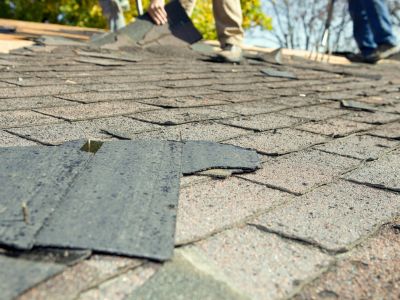
How can you tell when it’s time for a roof replacement? First, consider the roof age. If it’s nearing or beyond its expected lifespan—usually 20-25 years—it’s wise to start planning.
Check the shingles condition; curling, cracking, or missing shingles signal potential problems. Weather damage is another key factor; if you’ve faced severe storms or hail, your roof mightn’t be as sturdy as it once was.
Think about energy efficiency, too. A worn roof can lead to increased energy bills, affecting your comfort and wallet.
Curb appeal matters for your home’s resale value, especially if you’re looking to sell. Neighborhood standards may also play a role; a shabby roof can diminish your home’s attractiveness compared to others nearby.
Finally, if you’ve filed multiple insurance claims for roof issues, it might be time for a replacement to guarantee lasting protection.
Why Regular Roof Inspections Can Save You Money
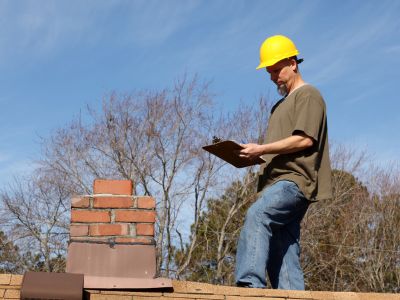
Neglecting your roof can lead to costly repairs down the line, making regular inspections a smart choice. By scheduling routine roof inspections, you engage in preventative maintenance that identifies potential issues before they escalate.
Small problems, like a few missing shingles or minor leaks, can quickly become major headaches if left unchecked. Regular inspections help you spot these issues early, saving you money in the long run.
Small issues, such as missing shingles or minor leaks, can escalate quickly; regular inspections help you catch them early and save money.
You’ll avoid expensive repairs and extend the lifespan of your roof. Plus, many roofing warranties require regular maintenance to remain valid, so staying proactive is essential.
Ultimately, investing in regular inspections is a decision that pays off. Not only do you protect your home and family, but you also enjoy significant cost savings.
Understanding Different Roofing Materials
When you’re considering a roof replacement, understanding different roofing materials is essential for making an informed decision.
Asphalt shingles are popular due to their affordability and wide range of aesthetic choices. Metal roofing, known for its durability and fire resistance, is ideal for harsh climates but may come with a higher cost.
Tile options offer a classic look and longevity, yet they require specific installation methods and can be heavy. If you’re eco-conscious, explore eco-friendly materials that reduce your environmental footprint.
When doing a cost comparison, consider the long-term savings of durable materials versus initial expenses. Don’t forget climate considerations; some materials perform better in specific weather conditions.
Ultimately, balancing durability factors, installation methods, and your personal style will help you choose the best roofing material for your needs.
Choosing the Right Roofing Contractor: What to Look For
When you’re ready to replace your roof, choosing the right contractor is essential.
You’ll want to check their licensing and insurance, as well as their experience in the field.
Don’t forget to ask for written estimates and contracts to guarantee everything’s clear before the work begins.
Licensing and Insurance Verification
Before you commit to a roofing contractor, it’s essential to verify their licensing and insurance. Start by checking the contractor qualifications; a legitimate contractor should hold a valid license specific to your state or region. This guarantees they’ve met local standards and regulations.
Next, ask about their insurance types. A reputable contractor should carry general liability insurance and workers’ compensation. This protects you from potential liabilities if accidents occur during the project.
Don’t hesitate to request proof of both the license and insurance documents. By confirming these credentials, you’re not just safeguarding your investment but also assuring that your chosen contractor adheres to industry standards, paving the way for a successful roof replacement.
Experience and Expertise Matters
Choosing the right roofing contractor hinges on their experience and expertise, as these factors directly impact the quality of your roof replacement.
Look for contractors with solid qualifications—those who’ve been in the industry for several years typically have a proven track record. Check if they’re familiar with the latest roofing innovations; this knowledge guarantees they use the best materials and techniques available.
A qualified contractor will also have a portfolio of completed projects, showcasing their work and versatility. Don’t hesitate to ask for references; speaking to past clients can offer valuable insights into their professionalism and reliability.
Ultimately, choosing someone with the right mix of experience and expertise can save you time, money, and headaches down the road.
Written Estimates and Contracts
A clear written estimate and contract are essential when selecting a roofing contractor. This document not only protects you but also outlines the specifics of your project.
Look for a detailed cost breakdown that includes materials, labor, and any additional fees. This transparency helps you understand exactly what you’re paying for.
Pay close attention to contract clauses, as they can reveal important terms regarding warranties, payment schedules, and project timelines.
Make sure you’re comfortable with these conditions before signing. If anything seems unclear, don’t hesitate to ask questions. A reliable contractor should be willing to discuss these details openly.
Taking the time to review the estimate and contract can save you from unexpected costs and headaches later on.
How to Prepare Your Home for Roof Replacement
Preparing your home for roof replacement is essential to guarantee a smooth process and minimize disruptions. Start by clearing the area around your home, making sure that your contractor has easy roof access. Move any outdoor furniture, grills, or decorations at least 10 feet away from the house to create a safe workspace.
Next, secure your belongings inside. Remove fragile items from shelves and walls to prevent accidental damage from vibrations or falling debris.
Secure your belongings indoors by removing fragile items from shelves and walls to prevent damage from vibrations or falling debris.
If you have pets, consider keeping them indoors or safely away from the work zone to reduce stress and protect their safety.
Lastly, coordinate with your contractor on debris management. Discuss how they’ll handle waste and if they’ll use a dumpster or a truck for removal.
What to Expect During Roof Replacement?
During your roof replacement, you can expect a clear timeline and defined steps that keep the project on track.
You’ll see the crew arrive early to assess and prepare your home, making sure everything runs smoothly.
Understanding these key phases will help you feel more comfortable as the work progresses.
Timeline Of The Project
When replacing your roof, understanding the timeline can make the process smoother and less stressful. The project duration can vary based on your roof’s size, materials, and any weather considerations that may arise. Here’s a quick overview of what to expect:
| Day | Activity | Notes |
| Day 1 | Initial Inspection | Assess roof condition |
| Day 2-3 | Material Delivery | Weather can delay delivery |
| Day 4-5 | Old Roof Removal | Noise and debris expected |
| Day 6-7 | New Roof Installation | Guarantee favorable weather |
| Day 8 | Final Inspection | Check for any issues |
Key Steps Involved
Roof replacement involves several key steps that guarantee a successful outcome.
First, a thorough roof inspection is essential. This helps identify any underlying issues and determines the best course of action.
Next, you’ll choose your materials, focusing on options that offer long-term durability and fit your budget.
Once selected, the old roof is stripped away, revealing the underlying structure. After any necessary repairs, the new roofing material is installed, assuring proper sealing and alignment.
Throughout the process, your contractor will keep you informed, addressing any concerns you have.
Finally, they’ll conduct a final inspection to confirm everything meets quality standards.
Understanding these steps can make the experience smoother and help you feel confident in your new roof.
Navigating Permits and Regulations for Your Roof
Before you plunge into your roof replacement, it’s crucial to understand the permits and regulations that may apply. Different permit types can vary by location, so check with your local building department to find out what you need. Most areas require a building permit, especially for significant repairs or complete replacements.
Understanding local permits and regulations is essential before starting your roof replacement to ensure compliance and protect your investment.
Stay updated on regulation updates, as local codes can change frequently. These regulations might dictate materials, roofing styles, and even energy efficiency standards. Ignoring these can lead to fines or the need for costly adjustments later.
Don’t hesitate to consult your roofing contractor; they often have experience maneuvering through these requirements and can guide you through the process.
Ensuring you have the right permits not only keeps you compliant but also protects your investment in your new roof. So, take the time to do this step right; it’ll save you headaches down the line.
How to Set a Budget for Your Roof Replacement
Setting a budget for your roof replacement is essential, as unexpected costs can quickly add up. Start by identifying key cost factors like the roofing materials you want, the size of your roof, and labor expenses. Different materials come with varying price tags, so research options that fit your needs and budget.
Next, it’s wise to add a contingency fund—typically 10-20% of your total budget—to cover any surprises that might arise during installation.
Consider your financing options as well. If upfront costs seem intimidating, look into loans, credit options, or payment plans offered by contractors. These can make the process more manageable while still guaranteeing you get quality work.
Lastly, get multiple estimates from different contractors to compare prices and services. This approach not only helps you stay on budget but also assures you’re making a well-informed decision.
Protecting Your Property During Installation
While you’re excited about your new roof, it’s vital to protect your property during the installation process. Start by guaranteeing proper site protection. This means moving any valuable items away from the work area.
If you have plants or landscaping that could get damaged, consider covering them with tarps or plywood.
Debris management is another important aspect. Your roofing contractor should have a plan for handling waste, like old shingles and nails.
Make sure they use a dumpster or a debris trailer to keep your yard tidy and safe. You don’t want sharp objects lying around, especially if you have kids or pets.
Finally, communicate with your contractor about any specific concerns you have.
Caring for Your New Roof: Essential Tips
Caring for your new roof is essential to ensuring its longevity and performance, so it’s important to establish a maintenance routine. Start with seasonal checks to identify any potential issues early.
Regular gutter cleaning is vital; clogged gutters can lead to water damage. Don’t overlook the importance of proper ventilation to regulate temperature and prevent moisture buildup, which can harm insulation and roofing materials.
Prepare for storms by inspecting your roof for loose shingles and debris removal. Keeping your roof clear of leaves and branches helps with moss prevention and protects its integrity.
Additionally, understanding your warranty details can guide you on necessary maintenance tasks to keep your coverage valid. By focusing on these key aspects of roof maintenance, you’ll help your new roof withstand the elements and extend its lifespan, ensuring your home remains safe and comfortable.
Maintaining Your Roof for Long-Term Durability
To guarantee your roof remains durable over time, regular inspections and maintenance are essential. Start by scheduling seasonal inspections—spring and fall are ideal times to check for damage. Look for missing shingles, leaks, or signs of wear. These quick checks can save you from costly repairs down the line.
Regular roof inspections in spring and fall can prevent costly repairs by identifying damage early.
In addition to inspections, follow these roof maintenance tips: keep gutters clean to prevent water buildup, trim overhanging branches to avoid debris accumulation, and clear off any moss or algae growth.
It’s also wise to check flashing around chimneys and vents; a small issue here can lead to leaks.
If you notice anything concerning during your inspections, address it promptly. Investing a little time and effort in maintaining your roof will pay off, ensuring it lasts for many years.
Frequently Asked Questions
How Long Does the Roof Replacement Process Typically Take?
Typically, the roof replacement process takes one to three days, depending on the roofing timeline and project duration. You’ll want to take into account factors like weather and your home’s size for a more accurate estimate.
What Should I Do if It Rains During Installation?
If it rains during installation, guarantee the crew uses rain protection to safeguard materials. Be prepared for potential installation delays, as wet conditions can affect both safety and the quality of the work being done.
Will My Homeowners’ Insurance Cover Roof Replacement Costs?
Your homeowners’ insurance might cover roof replacement costs, depending on your insurance policy. Review your policy details and contact your insurer to discuss potential roofing claims and what’s included in your coverage.
Can I Stay in My Home During the Roof Replacement?
Yes, you can stay home during the roof replacement, but expect high noise levels and some safety concerns. It’s wise to keep children and pets away from the work area for everyone’s safety and comfort.
What Happens to My Landscaping During the Roof Replacement?
Your landscaping might face some disruption during the roof replacement. Contractors usually implement landscaping protection measures and debris management strategies to minimize damage, but it’s wise to discuss specific precautions with them to safeguard your plants.
Final Thoughts
A roof replacement doesn’t have to feel overwhelming when you follow the right steps—spotting the warning signs early, getting a thorough inspection, choosing materials that fit your home and budget, and working with a qualified contractor. With the right plan, you’re not just replacing shingles—you’re protecting your investment and setting your home up for long-term durability.
At Troy Roofing Pros, we make the process clear from start to finish. If you’re unsure whether your roof is ready for replacement, start with a professional roof inspection so we can give you straightforward recommendations. When it’s time to move forward, our team can handle your full roof replacement and walk you through available options across our services. Ready to take the next step? Contact us today through our contact page to schedule your estimate.