
As a homeowner, you might not think about your roof until problems arise. However, regular roof inspections are essential for maintaining its integrity and preventing costly repairs down the line. By identifying issues early, you can safeguard your home and investment. What signs should you look for that indicate it’s time for an inspection? Understanding these can save you both money and stress in the long run. Let’s explore this further.
Key Takeaways
- Regular roof inspections identify potential issues early, preventing costly repairs and enhancing roof longevity.
- Seasonal inspections prepare roofs for harsh weather conditions, ensuring structural integrity and efficiency.
- Ignoring inspections can lead to leaks, mold growth, and increased energy bills, negatively impacting property value.
- Professional inspections uncover hidden problems that DIY checks may miss, ensuring a thorough evaluation of roof health.
- Documented inspections can improve insurance eligibility and may result in lower premiums, enhancing financial security for homeowners.
The Importance of Regular Roof Inspections
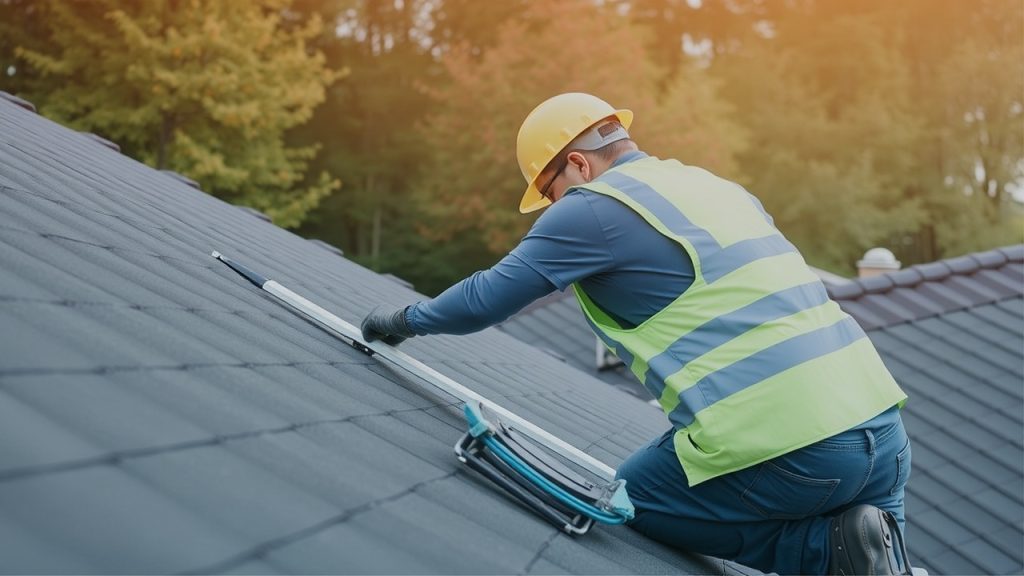
While you mightn’t think about your roof often, regular inspections are crucial for maintaining its integrity and longevity. As a homeowner, it’s your responsibility to guarantee that your roof remains in good condition.
One of the key roof inspection benefits is that it helps identify potential issues before they escalate into costly repairs. By catching problems early, you can save yourself significant time and money in the long run.
Identifying issues early through roof inspections can save you time and money on costly repairs down the line.
Moreover, regular inspections can enhance your roof’s lifespan, guaranteeing it serves you well for years to come. You’ll also gain peace of mind, knowing that your home is protected from the elements.
In addition, maintaining your roof’s condition can improve your property’s value, making it more appealing to future buyers.
Signs That Indicate Your Roof Needs Inspection
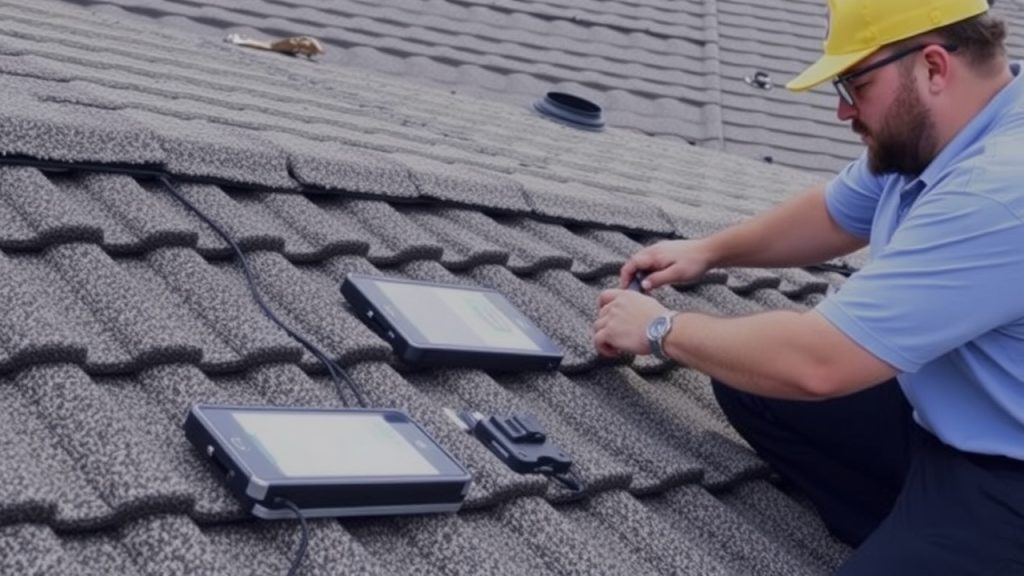
A well-maintained roof is vital for protecting your home, but certain signs can indicate it needs inspection. If your roof’s age is approaching 20 years or more, it’s time to pay closer attention.
Look for missing or curled shingles, which can allow water to seep in. Dark spots or streaks on your ceiling could signal leaks, while granules collecting in your gutters may indicate shingle deterioration. Additionally, if you notice sagging areas, that’s a clear warning sign of structural issues.
Regular inspection frequency is important, especially after severe weather events. If you’ve experienced heavy rain or strong winds, don’t hesitate to check your roof.
How to Schedule Your Roof Inspections Throughout the Year
Scheduling regular roof inspections throughout the year is essential for maintaining the integrity of your home.
By setting a seasonal scheduling routine, you can catch potential issues before they become costly repairs.
Here’s how to do it:
- Spring: Inspect after winter to check for damage from snow and ice. This is the perfect time to address any issues before the summer heat.
- Summer: Conduct a mid-year check to guarantee everything is holding up under the sun. Look for signs of wear and tear from storms.
- Fall: Schedule an inspection before winter arrives. This allows you to make necessary repairs, guaranteeing your roof can withstand the harsh weather ahead.
How Weather Affects Roof Inspections
Understanding how weather impacts roof inspections can help you make informed decisions about when to check your roof. Different weather patterns can influence the timing and effectiveness of your inspections.
For instance, heavy rain or snow can obscure damage, making it difficult to spot potential issues. Inspecting during such conditions mightn’t provide you with a clear view of your roof’s health.
Seasonal impacts also play an essential role. In the fall, it’s wise to check for debris accumulation from fallen leaves, while spring inspections can reveal damage from winter storms.
Additionally, extreme heat can cause roofing materials to expand, leading to issues that mightn’t be evident until cooler weather returns. By aligning your inspections with weather patterns, you can guarantee a thorough assessment, addressing any problems before they escalate.
Top 5 Roofing Problems Identified During Inspections
During roof inspections, you’ll often encounter common issues that can lead to bigger problems down the road.
Leaks and water damage are frequent concerns, along with missing or damaged shingles that compromise your roof’s integrity.
Identifying these issues early can save you time and money in repairs.
Leaks And Water Damage
When it comes to roof inspections, leaks and water damage rank among the top five issues homeowners face. Addressing these problems early is vital to prevent costly repairs and extensive damage.
Here are three leak prevention strategies you should consider:
- Regular Inspections: Schedule routine roof inspections to catch potential issues before they escalate.
- Gutter Maintenance: Keep your gutters clean and clear to guarantee proper water drainage, minimizing the risk of leaks.
- Prompt Repairs: Address any signs of damage immediately to prevent water damage restoration needs down the line.
Missing Or Damaged Shingles
Missing or damaged shingles are among the top five roofing problems homeowners encounter during inspections. These issues can lead to leaks and further damage if not addressed promptly.
When you find missing shingles, it’s crucial to explore your shingle replacement options. You might choose to replace entire sections or individual shingles, depending on the extent of the damage.
If the damage is minor, shingle repair techniques, such as sealing or patching, could be sufficient. Regular inspections can help you spot these issues early, saving you from costly repairs down the line.
Why Early Detection Matters
Though it might seem tempting to delay roof inspections, early detection of issues can save you significant time and money.
By identifying problems sooner rather than later, you can take preventative measures that lead to long-term benefits.
Here are three reasons why early detection matters:
- Prevent Major Repairs: Catching small leaks or structural weaknesses early can prevent them from evolving into costly repairs.
- Extend Roof Lifespan: Regular inspections and addressing minor issues can help maintain your roof’s integrity, prolonging its lifespan.
- Enhance Home Value: A well-maintained roof boosts your home’s value and marketability, which is essential if you ever decide to sell.
Cost Savings From Preventative Roof Maintenance
Preventative roof maintenance can save you money in the long run.
By catching problems early, you extend your roof’s lifespan and avoid costly repairs down the line.
Regular inspections help guarantee your home stays safe and your budget intact.
Early Problem Detection
When you schedule regular roof inspections, you not only guarantee your home’s protection but also save money in the long run.
Early problem detection is essential for preventing costly repairs. With proactive maintenance, you receive early warnings about potential issues, allowing you to address them before they escalate.
Here are three key benefits:
- Identify Leaks: Catch small leaks before they turn into significant damage.
- Detect Wear: Spot signs of wear and tear on shingles or flashing early on.
- Avoid Major Repairs: Prevent emergency repairs that can be financially draining.
Extending Roof Lifespan
Regular roof maintenance not only safeguards your home but also extends the lifespan of your roof, ultimately saving you money.
By employing effective maintenance techniques, you can guarantee your roof materials endure harsh weather and wear over time. Simple tasks like cleaning gutters, replacing damaged shingles, and inspecting for leaks can make a significant difference.
When you stay proactive about maintenance, you’re less likely to face major issues that could lead to costly repairs or premature roof replacement.
Plus, a well-maintained roof enhances your home’s energy efficiency, further reducing your utility bills.
Investing time in regular inspections and upkeep is a smart move—one that pays off by prolonging the life of your roof and protecting your investment.
Lower Repair Costs
Maintaining your roof not only extends its lifespan but also considerably lowers repair costs.
By investing in regular inspections and preventative care, you’re choosing cost-effective solutions that save you money in the long run.
Here are three key benefits of budget-friendly maintenance:
- Early Detection: Catching small issues before they escalate prevents costly repairs down the line.
- Increased Efficiency: A well-maintained roof enhances energy efficiency, reducing your utility bills.
- Enhanced Property Value: A solid roof adds value to your home, making it more appealing to potential buyers.
DIY Roof Inspection: Key Areas to Check
Conducting a DIY roof inspection can save you time and money while guaranteeing your home stays protected.
Start by gathering essential inspection tools like a ladder, flashlight, and binoculars. Before you climb up, prioritize safety precautions—wear sturdy shoes and use a harness if necessary.
Once on the roof, check for missing or damaged shingles, as these can lead to leaks. Look for signs of sagging, which may indicate structural issues.
Inspect flashing around chimneys and vents to verify they’re secure and free from rust or cracks.
Don’t forget to examine the gutters and downspouts, as clogged debris can cause water damage. If you notice any unusual wear or potential problems, take notes and consider follow-up actions.
A thorough DIY inspection can help you catch issues early, keeping your roof—and your home—in good shape.
When to Call a Professional for Roof Inspections?
If you’ve recently experienced severe weather, it’s essential to assess your roof’s condition.
Look for visible signs of damage, like missing shingles or leaks, that might require professional attention.
Don’t hesitate to call a roofing expert to guarantee your home stays protected.
After Severe Weather Events
After a severe weather event, you mightn’t realize the extent of the damage your roof has sustained.
Storm damage can be deceptive, so it’s vital to think about calling a professional for a thorough inspection.
Here are three key reasons to get that inspection done:
- Identify Hidden Issues: Professionals can spot problems you might overlook, like cracks or loose shingles.
- Ensure Safety: Climbing on a roof can be dangerous. Let an expert handle it safely and efficiently.
- Maintain Roof Integrity: Timely inspections help in effective roof maintenance, preventing small issues from escalating into costly repairs.
Don’t wait until it’s too late. Schedule a professional inspection after severe weather to protect your home and investment.
Visible Damage Signs
Your roof can show visible signs of damage that signal it’s time to call a professional for an inspection.
Look for visible wear, like missing shingles, cracked tiles, or sagging areas. These issues can compromise your roof’s structural integrity, leading to more significant problems down the line.
Water stains on your ceiling or walls can indicate leaks, while granules collecting in gutters suggest shingle deterioration.
If you notice any of these signs, don’t hesitate to reach out to a roofing expert. They can assess the damage and recommend necessary repairs.
Remember, catching issues early can save you from costly repairs and keep your home safe.
Regular inspections are key to maintaining your roof’s health and longevity.
What Happens in a Professional Roof Inspection?
When you schedule a professional roof inspection, a trained expert begins by thoroughly examining both the interior and exterior of your roof.
Using a detailed roof inspection checklist, the inspector evaluates critical areas to guarantee your roof’s integrity. Here’s what to expect during the inspection:
- Visual Assessment: The inspector looks for visible damage, such as missing shingles or leaks.
- Structural Evaluation: They’ll check the roof’s support system and drainage to verify everything’s functioning properly.
- Material Inspection: The inspector assesses the condition of roofing materials, noting any wear or deterioration.
Choosing a qualified professional inspector is essential; they should have relevant certifications and experience to spot potential issues effectively.
Types of Roofs and Their Maintenance Needs
Different types of roofs require specific maintenance to guarantee longevity and performance. For instance, flat roofs need regular inspections for pooling water and debris, while sloped roofs need attention to their shingles and drainage systems. Understanding these differences can save you time and money.
Here’s a quick overview of maintenance needs:
| Roof Type | Maintenance Needs |
| Flat Roofs | Check for leaks, clear debris |
| Sloped Roofs | Inspect shingles, clean gutters |
| Metal Roofs | Look for rust, tighten fasteners |
| Tile Roofs | Check for cracked tiles, clean |
| Wood Roofs | Inspect for rot, treat for pests |
Consequences of Ignoring Roof Inspections
Neglecting regular roof inspections can lead to serious, costly consequences that homeowners often overlook. Ignoring these inspections not only jeopardizes your home’s structure but also poses long-term impacts on your finances and safety.
Here are three key consequences you might face:
- Structural Damage: Small leaks can worsen over time, leading to significant repairs and compromising your home’s integrity.
- Mold Growth: Water accumulation can foster mold, creating health hazards and leading to expensive remediation costs.
- Increased Energy Bills: A damaged roof can cause heat loss or gain, resulting in higher energy expenses as your HVAC system works harder.
How Roof Inspections Enhance Your Home’s Value
Regular roof inspections not only protect your home but also greatly enhance its value. By keeping your roof in top shape, you guarantee that potential buyers see your property as a smart investment.
During a roof appraisal, a well-maintained roof can lead to a higher valuation, making your home more attractive in a competitive market.
A well-maintained roof boosts your home’s appraisal, enhancing its appeal in a competitive market.
Additionally, a thorough roof inspection can identify issues before they become major problems. This proactive approach not only saves you money in repairs but also positively impacts your property assessment.
When buyers know they won’t face immediate roof repairs, they’re more likely to make a competitive offer.
Ultimately, regular inspections demonstrate that you take pride in your home. This attention to detail can translate into increased value and quicker sales, providing you with peace of mind and a solid return on your investment.
Keep your roof inspected, and watch your home’s worth rise.
Roof Inspections and Home Insurance: Essential Insights
When it comes to home insurance, roof inspections play an essential role in your coverage.
They can determine your eligibility for claims and even affect your policy premiums. Staying on top of your roof’s condition could save you money and hassle down the line.
Insurance Claim Eligibility
Roof inspections play an essential role in determining your eligibility for insurance claims, especially after a storm or significant damage. Your insurance policy likely has specific requirements that can affect the claim process.
Here are three reasons why a roof inspection is important:
- Documenting Damage: An inspection provides detailed evidence of any damage, which is critical for your claim submission.
- Compliance with Policy: Insurers often require proof of regular maintenance; an inspection helps demonstrate your compliance with these policy terms.
- Identifying Hidden Issues: Inspections can uncover underlying problems that you mightn’t notice, which could impact your claim’s outcome.
Policy Premium Adjustments
Understanding how roof inspections can lead to policy premium adjustments is essential for homeowners. When you schedule a roof inspection, you’re not just ensuring your roof’s integrity; you’re also opening the door to potential policy benefits.
Insurance companies often reward homeowners who maintain their roofs with premium reductions. A well-documented inspection can highlight your roof’s condition, making your policy less risky for insurers. This could result in lower premiums, saving you money over time.
Additionally, if your roof shows signs of wear, addressing these issues promptly can prevent future claims, further stabilizing your premium costs. By being proactive, you not only protect your home but also enhance your financial standing with better insurance rates.
Choosing a Reliable Roofing Inspector
Finding a trustworthy roofing inspector can feel overwhelming, especially with so many options available. To help you make the right choice, consider these essential tips:
Finding a reliable roofing inspector can be daunting; use these tips to navigate your options effectively.
- Check for Credentials: Look for reputable inspectors who possess relevant inspection certifications. This indicates they’ve undergone training and understand roofing systems.
- Read Reviews: Search online for reviews and testimonials from previous clients. A reliable inspector will have positive feedback and a solid reputation in your community.
- Ask About Experience: Inquire how long the inspector has been in the business and if they specialize in your type of roof.
Experienced inspectors are more likely to identify potential issues.
The Connection Between Roof Health and Energy Efficiency
When your roof is in good condition, it can greatly boost your home’s energy efficiency. A well-maintained roof plays a vital role in effective roof insulation, preventing energy loss that can lead to higher utility bills.
If your roof has leaks, cracks, or damaged shingles, it can compromise the insulation, allowing heat to escape in the winter and cool air to seep out during the summer.
This not only makes your home less comfortable but also forces your HVAC system to work harder, which can increase energy consumption.
Regular roof inspections help identify issues early on, ensuring your roof remains in ideal shape. By addressing problems promptly, you can maintain effective insulation and minimize energy loss.
Ultimately, investing in your roof’s health can lead to significant savings on energy costs while enhancing your home’s overall comfort.
Don’t underestimate the connection between a solid roof and energy efficiency!
Preparing Your Roof for Seasonal Changes and Inspections
As seasons change, your roof faces new challenges that can affect its integrity and efficiency. Proper roof preparation and seasonal maintenance are key to avoiding costly repairs.
Here’s how you can guarantee your roof is ready:
- Inspect for Damage: Look for missing shingles, cracks, or leaks after each season. Catching issues early can save you money.
- Clean Gutters and Drains: Remove debris to prevent water buildup, which can lead to leaks and structural damage.
- Trim Overhanging Branches: Keep trees trimmed to prevent branches from scraping or falling on your roof, which can cause significant damage.
Frequently Asked Questions
How Often Should I Inspect My Roof After a Severe Storm?
After a severe storm, you should inspect your roof immediately for storm damage. Following that, check it at least twice a year to catch any potential issues early and maintain its integrity.
Can I Perform My Own Roof Inspection Safely?
Yes, you can perform your own roof inspection safely if you take necessary safety precautions. Use personal experience to guide you, but make certain you have proper gear and a stable ladder before climbing up.
What Certifications Should I Look for in a Roofing Inspector?
Look for inspectors with certifications like NRCA, IIBEC, or similar. These certification types indicate they’ve met industry standards. Check their qualifications to guarantee they possess the expertise needed for thorough and safe roof inspections.
Are There Specific Roof Materials That Require More Frequent Inspections?
Yes, metal roofs and tile roofs often need more frequent inspections due to potential issues like rust and shifting tiles. Regular check-ups help you catch problems early and maintain your roof’s lifespan.
How Long Does a Typical Professional Roof Inspection Take?
A typical professional roof inspection takes about one to two hours. During this time, the inspector follows a thorough inspection checklist, evaluating your roof’s condition and identifying any potential issues that may need addressing.
Final Thoughts
Regular roof inspections are essential for protecting your home and your long-term investment. By scheduling routine visits with a trusted local expert like Troy Roofing Pros, you can catch potential issues early, avoid costly repairs, and maintain your roof’s overall integrity. Remember to watch for warning signs that your roof needs attention and to factor in seasonal weather changes when planning your inspections so your home stays safe, comfortable, and energy-efficient all year long.
If you’re ready to safeguard your property, Troy Roofing Pros is here to help with dependable residential roofing services and roof replacement solutions. Don’t wait for a small problem to turn into major damage—contact Troy Roofing Pros today to schedule your professional roof inspection and ensure your roof is prepared for whatever the next season brings.